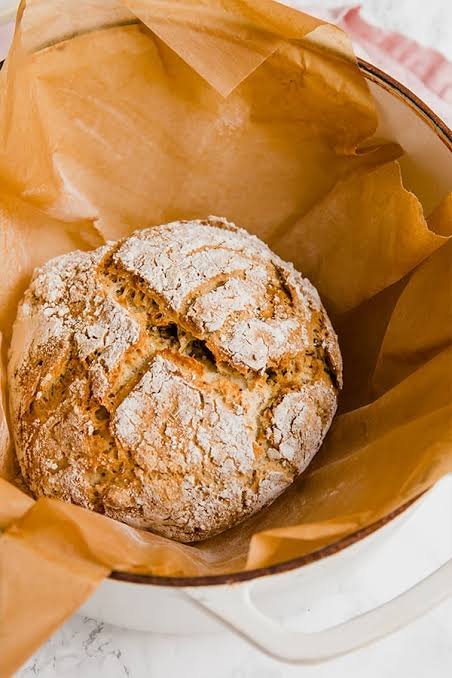
Baking a warm loaf of fresh bread at home is one of the most rewarding kitchen experiences you can ever have. Today we are exploring a fantastic sourdough no knead gluten free bread recipe that brings back all the joy of traditional home baking without any of the physical hassle or gluten discomfort. Many people who follow a gluten free diet often miss the deep flavor, crisp crust, and soft chewy middle of a real artisanal loaf of sourdough bread. Store bought gluten free options are usually packed with artificial preservers, dry crumbly textures, and high price tags that make everyday enjoyment difficult. This special recipe changes everything by combining the natural magic of sourdough fermentation with a super easy no knead technique. You do not need any fancy bakery tools, heavy mixer machinery, or hours of physical arm workout strength to make this recipe work in your home kitchen. It relies on time and simple microbial action to build dynamic structure and delicious depth of flavor naturally.
People across the world absolutely fall in love with this recipe because it makes home baking approachable and practically stress free for cooks of all skill levels. Traditional gluten free baking can often feel very intimidating because gluten is the main protein that normally gives bread its stretch, structure, and rise. Without gluten, standard doughs can turn into heavy bricks or liquid soup if you do not handle them with extreme care and precise chemical balance. However, this clever method uses gentle natural fermentation to trap gas bubbles safely inside a carefully balanced blend of gluten free grains and natural binders like psyllium husk. Bakers love the sheer simplicity of mixing basic ingredients in a single bowl, letting the wild yeast do all the heavy lifting overnight, and baking it inside a hot Dutch oven the very next morning. The outcome is a breathtaking golden crust that crackles under your knife and a tender interior that holds together remarkably well for sandwich slices, toast, or dipping into warm soups.
You will find that this special loaf fits into so many beautiful moments of daily life, whether you are managing sensitive gut health or simply looking for cleaner nutrition choices. Many people turn to gluten free sourdough because standard wheat products cause uncomfortable bloating, heavy digestion issues, or inflammatory flareups in their bodies. The long fermentation process breaks down complex starches and phytic acid in the grains, making the final bread vastly easier on your digestive system while increasing the availability of healthy natural minerals. Beyond the health benefits, making this loaf serves as a comforting weekend ritual that brings immense emotional satisfaction to your home. Imagine waking up on a quiet Sunday morning while the heavenly smell of freshly baked crust fills your entire house, inviting your family to gather around the kitchen table. It is perfect for cozy morning breakfasts spread with creamy butter, healthy afternoon snacks topped with ripe avocado, or elegant dinner sides shared with good friends.
Choosing to bake your own gluten free sourdough is also a wonderful commitment to personal fitness, clean eating, and overall wellness for your entire household. When you make bread from scratch, you take absolute control over every single ingredient that enters your body, completely avoiding hidden sugars, extra oils, and synthetic chemical additives. Active individuals, athletes, and fitness enthusiasts love this loaf because complex gluten free grains like brown rice, sorghum, and tapioca provide steady sustained energy without causing sudden blood sugar spikes or sluggish post meal crashes. It allows you to enjoy comforting carbohydrate rich meals while honoring your dietary goals and maintaining a light, energized body throughout the day. Whether you are fully celiac, avoiding gluten for better gut comfort, or just wanting to master an authentic culinary craft, this sourdough method delivers complete happiness in every single bite. You will feel proud slicing into a loaf you created entirely by hand.
Ingredients You Will Need
To make this delicious loaf, gather the following precise ingredients in your kitchen:
-
Active Gluten Free Sourdough Starter: 150 grams (wild yeast culture fed with brown rice flour)
-
Warm Water: 350 milliliters (filtered water around 85 degrees Fahrenheit or 29 degrees Celsius)
-
Whole Psyllium Husk: 20 grams (natural binder that provides flexibility and structure)
-
Brown Rice Flour: 150 grams (provides a lovely nutty flavor and rich base structure)
-
Sorghum Flour: 100 grams (adds mild sweetness and smooth tender texture)
-
Tapioca Starch: 100 grams (gives lightness, elasticity, and crisp golden crust)
-
Whole Potato Starch: 30 grams (improves internal moisture retention and softness)
-
Fine Sea Salt: 10 grams (enhances natural flavor and controls yeast growth)
-
Pure Honey or Maple Syrup: 15 grams (gives initial food energy to wild yeast culture)
-
Olive Oil: 15 milliliters (adds gentle crumb moisture and extends freshness)
Step by Step Method
Why This Recipe Is Special
This sourdough no knead gluten free bread stands out as a true winner among homemade artisan recipes for several key reasons. First and foremost, it solves the infamous texture problem that plagues so many gluten free baked goods. By using a balanced mix of whole psyllium husk alongside precise ratios of protein rich flours and light starches, this bread achieves a soft, stretchy crumb that does not crumble into tiny pieces when you slice it or spread cold butter across it. The crust bakes up remarkably golden and crispy thanks to the trapped steam inside the Dutch oven, giving you a true bakery style finish right from your home kitchen.
From a health standpoint, natural wild fermentation offers incredible advantages over fast acting commercial baker yeast. During the extended fermentation cycle, wild yeast strains and beneficial lactic acid bacteria break down complex carbohydrates, anti nutrients, and hard to digest grain proteins naturally. This process lowers the glycemic impact of the bread, making it gentler on your blood sugar balance. Additionally, the formation of natural lactic acid helps preserve the loaf naturally without any chemical additives, while giving your gut microbiome beneficial prebiotic fibers that promote healthy overall digestion and long term vitality.
Lastly, the flavor profile of this loaf is vastly superior to mass produced commercial alternatives. Instead of tasting bland or overly processed, each bite offers a complex balance of earthy grain notes, delicate sweetness, and a pleasant tangy sourdough punch. It provides a deeply satisfying sensory experience that appeals to everyone at your table, whether they follow a strict gluten free lifestyle or eat standard wheat products every day.
Extra Tips for Better Taste
To elevate your baking results and create unique variations, consider these creative improvement ideas for your loaf:
-
Use Filtered Water: Tap water containing chlorine can inhibit or slow down wild yeast activity. Always use filtered or bottled water at lukewarm temperatures to keep your sourdough starter strong and active.
-
Add Toasted Seeds: Mix 30 grams of toasted sunflower seeds, pumpkin seeds, or chia seeds into the dry flour blend for added crunch, pleasant nutty flavor, and extra healthy omega fats.
-
Incorporate Dried Herbs: Add a teaspoon of dried rosemary, thyme, or garlic powder into the dough mixture to create a savory herbal loaf that pairs magnificently with pasta dinners and olive oil dips.
-
Store Proper Slices: Keep your cooled bread wrapped in a clean cloth or paper bag on the counter for up to 3 days. For longer storage, pre slice the loaf and store the slices inside a sealed freezer bag, then toast them directly from frozen whenever you want fresh bread.
-
Master Room Temperature Controls: Fermentation speed depends heavily on your kitchen temperature. If your kitchen is cold, let the dough ferment inside an turned off oven with the interior light turned on to maintain a cozy warm environment.
Final Thoughts
Baking your own gluten free sourdough bread at home is a simple yet deeply rewarding journey that brings wholesome nourish and pure joy to your kitchen. With this easy no knead method, you no longer have to settle for expensive, dry, or chemical laden store bought loaves to maintain your gluten free dietary preferences. Take your time, enjoy the soothing process of natural fermentation, and celebrate the wonderful moment when you pull a golden crackling loaf out of your oven. Share it warmly with your family and friends, and enjoy every delicious bite of your fresh homemade creation.
Nutrition Details
Here is the estimated nutritional breakdown for this sourdough loaf, calculated per standard serving based on 10 equal slices per recipe batch:
| Nutritional Metric | Amount Per Serving (1 Slice) | Amount For Whole Recipe (1 Loaf) |
| Calories | 165 kcal | 1,650 kcal |
| Total Carbohydrates | 36 g | 360 g |
| Dietary Fiber | 4.5 g | 45 g |
| Net Carbohydrates | 31.5 g | 315 g |
| Protein | 3 g | 30 g |
| Total Fat | 2 g | 20 g |
| Saturated Fat | 0.3 g | 3 g |
| Sodium | 390 mg | 3,900 mg |
| Potassium | 110 mg | 1,100 mg |
| Calcium | 18 mg | 180 mg |
Disclaimer
This recipe content and nutritional information are provided strictly for educational, informational, and home cooking purposes. Every person has a unique body, different digestive sensitivities, metabolic rates, and health conditions, so individual reactions to fermented grains and ingredients may vary. Always make sure your ingredients are certified gluten free if you have severe celiac disease or medical gluten allergies. Consult a qualified healthcare professional or certified dietitian if you have specific dietary concerns or medical conditions requiring specialized nutritional advice.