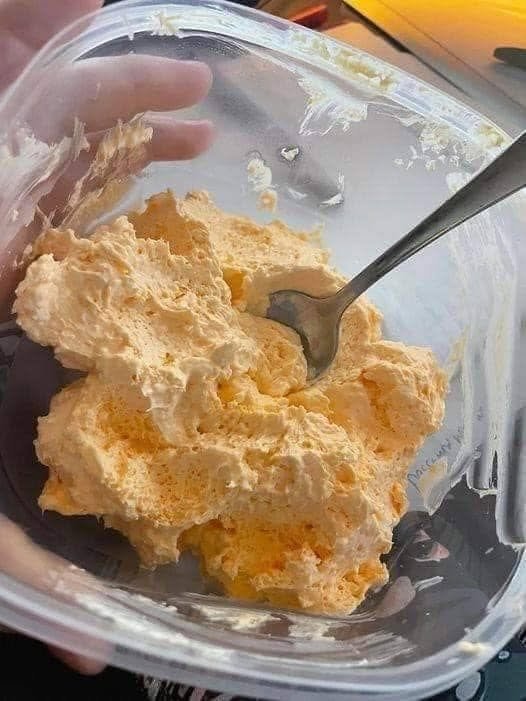
Protein Ice Cream Recipe
Imagine opening your freezer on a warm afternoon and finding a bowl of creamy, cold ice cream waiting for you. You take the first spoonful and get that smooth, rich texture you expect from a good dessert, followed by a delicious sweet flavor and a satisfying protein boost.
That is what makes protein ice cream such a fun recipe to keep on hand. It feels like a real dessert, but you can make it with simple ingredients and adjust it to fit your eating style. It is especially useful after a workout, as an afternoon snack, or when you want something sweet at night without reaching for a traditional tub of ice cream.
The best part is that homemade protein ice cream is easy to customize. You can make it chocolate, vanilla, peanut butter, strawberry, or even a coffee version. With the right method, you can get a creamy texture instead of a hard, icy block. Once you learn the basic recipe, you may find yourself making it again and again.
Why You Will Love This Protein Ice Cream
• High in protein
• Creamy and satisfying
• Easy to make
• Great for a post workout snack
• Can be made with simple ingredients
• Easy to customize
• Can be made lower in sugar
• Perfect for warm days
• Kid friendly when made with suitable ingredients
• Great for meal preparation
• No special ice cream maker is required for this version
Cooking Time and Serving
Preparation time: 5 minutes
Freezing time: 3 to 4 hours
Total time: About 3 hours and 5 minutes
Servings: 2
Recipe type: High protein dessert
Method: Blender and freezer
Ingredients
Basic Vanilla Protein Ice Cream
• 240 ml milk, about 1 cup or 8 fluid ounces
• 120 grams Greek yogurt, about ½ cup or 4.2 ounces
• 30 grams vanilla protein powder, about 1 scoop or 1 ounce
• 1 tablespoon honey or maple syrup, about 21 grams or 0.75 ounces
• 1 teaspoon vanilla extract, about 5 ml
• ½ teaspoon xanthan gum, optional
• 1 cup ice cubes, about 140 grams or 5 ounces
For a Richer Texture
You can add one of the following:
• 1 tablespoon peanut butter, about 16 grams or 0.6 ounces
• 1 tablespoon almond butter, about 16 grams or 0.6 ounces
• 1 tablespoon cocoa powder, about 5 grams or 0.18 ounces
• ½ frozen banana, about 60 grams or 2.1 ounces
Choose additions based on your nutrition goals and dietary needs.
Ingredient Substitutes
You can easily adjust this recipe.
Use unsweetened almond milk instead of regular milk for a lighter option.
Use coconut milk for a richer dairy free version.
Use Greek yogurt for extra protein and a thick texture.
For a dairy free protein ice cream, use dairy free yogurt, plant based milk, and a suitable plant protein powder.
For a lower sugar recipe, use a calorie free sweetener that you enjoy.
If you use a very sweet protein powder, you may not need any additional sweetener.
Nutritional Information
The exact nutrition will depend on the milk, yogurt, protein powder, and sweetener you choose.
The approximate nutrition below is for half of the basic vanilla recipe.
| Nutrient | Per Serving |
|---|---|
| Calories | About 220 |
| Protein | About 22 grams |
| Carbohydrates | About 25 grams |
| Fiber | About 1 gram |
| Fat | About 5 grams |
| Sugar | About 18 grams |
| Calcium | About 250 mg |
| Sodium | About 180 mg |
This recipe can be:
High protein: Yes
Gluten free: Usually, but check your protein powder label
Vegetarian: Yes
Vegan: Not with regular milk and Greek yogurt
Keto: The basic version is not necessarily keto because of the milk, yogurt, and sweetener. Use low carbohydrate ingredients if you want to make a keto version.
Kitchen Tools Needed
You only need a few tools.
• Blender
• Measuring cups
• Measuring spoons
• Kitchen scale
• Freezer safe container
• Spatula
• Ice cream scoop
A shallow freezer container works especially well because the ice cream freezes more evenly and is easier to scoop.
How to Make Protein Ice Cream
Step 1: Prepare Your Ingredients
Measure your milk, Greek yogurt, protein powder, sweetener, and vanilla.
If you are using frozen banana or another frozen ingredient, have it ready before blending.
Using cold ingredients helps the mixture become thick and creamy faster.
Step 2: Add the Ingredients to the Blender
Pour the milk into the blender first.
Add the Greek yogurt, protein powder, honey or maple syrup, and vanilla.
If you are using xanthan gum, add it now.
Adding the liquid first helps the blender move the ingredients more easily.
Step 3: Blend Until Smooth
Blend for about 30 to 60 seconds.
Stop and scrape the sides if necessary.
The mixture should be smooth and creamy.
If it is too thick for your blender, add another tablespoon of milk.
If it is too thin, add a little more yogurt or protein powder.
Step 4: Add the Ice
Add the ice gradually.
Blend until the mixture becomes thick.
Do not blend for too long because the blender motor can warm the mixture.
The finished mixture should have a thick milkshake texture.
Step 5: Taste the Mixture
Taste a small spoonful.
Now is the best time to adjust the flavor.
If you want it sweeter, add a little more sweetener.
If you want a stronger vanilla flavor, add another small amount of vanilla.
For chocolate protein ice cream, add cocoa powder.
For peanut butter protein ice cream, add peanut butter.
Step 6: Transfer to a Container
Spoon the mixture into a freezer safe container.
Smooth the top with a spatula.
A shallow container is ideal because it helps the mixture freeze more evenly.
Step 7: Freeze
Place the container in the freezer.
Freeze for approximately 3 to 4 hours.
For the creamiest texture, check the ice cream after about 2 hours and stir it well.
This helps break up ice crystals.
If you leave it in the freezer overnight, it may become very firm.
Step 8: Let It Soften
When you are ready to eat the ice cream, remove it from the freezer.
Let it sit at room temperature for approximately 10 to 15 minutes.
This makes scooping much easier.
Do not try to force a hard scoop through frozen ice cream.
Step 9: Scoop and Serve
Scoop the protein ice cream into bowls.
Add your favorite toppings and enjoy immediately.
How to Make Protein Ice Cream Extra Creamy
The biggest challenge with homemade protein ice cream is texture.
Protein powder and low fat ingredients can sometimes create a harder frozen dessert.
Here are a few simple ways to improve it.
Use Greek Yogurt
Greek yogurt adds thickness and protein.
It also gives the ice cream a creamy mouthfeel.
Add a Small Amount of Fat
Nut butter, full fat yogurt, or coconut milk can make the final dessert richer.
Do Not Add Too Much Ice
Ice makes the mixture cold and thick, but too much can create an icy texture.
Add it slowly.
Stir While Freezing
If you do not have an ice cream machine, stir the mixture once or twice during freezing.
This helps reduce large ice crystals.
Do Not Freeze for Too Long
Freshly frozen protein ice cream usually has the best texture.
If it has been frozen for several days, allow it to soften before serving.
Flavor Variations
Chocolate Protein Ice Cream
Add 1 tablespoon of unsweetened cocoa powder to the basic recipe.
For an extra rich chocolate taste, add a little more cocoa.
You can also add a few dark chocolate pieces if they fit your nutrition goals.
Peanut Butter Protein Ice Cream
Add 1 to 2 tablespoons of peanut butter.
Blend until smooth.
The result is creamy, nutty, and rich.
Strawberry Protein Ice Cream
Add 100 grams of frozen strawberries.
Blend until smooth.
You may need a little less ice because the strawberries provide coldness and thickness.
Coffee Protein Ice Cream
Add 1 teaspoon of instant coffee powder.
For a stronger coffee taste, add another teaspoon.
This version is especially good with vanilla protein powder.
Banana Protein Ice Cream
Add half a frozen banana.
The banana gives the ice cream natural sweetness and a smooth texture.
Remember that banana increases the carbohydrate and sugar content.
Chocolate Peanut Butter Protein Ice Cream
Add cocoa powder and peanut butter together.
This combination creates a rich dessert that tastes much more indulgent than it actually feels.
Common Mistakes to Avoid
Using Too Much Liquid
Too much milk can make the mixture thin and icy.
Start with the recommended amount and add more only when necessary.
Adding Too Much Protein Powder
It may be tempting to add extra protein powder, but too much can make the ice cream thick, dry, or chalky.
Stick close to the recommended amount.
Skipping the Resting Time
Very hard ice cream is difficult to scoop.
Allow it to sit outside the freezer for several minutes before serving.
Not Checking Your Protein Powder
Protein powders vary in sweetness and texture.
One brand may need more sweetener while another may already taste very sweet.
Always taste before freezing.
Storage Instructions
Keep protein ice cream in a sealed freezer safe container.
For the best texture, enjoy it within 5 to 7 days.
After a longer period, ice crystals may become more noticeable.
Press a piece of parchment paper directly against the surface before sealing the container. This can help reduce ice crystals.
Can You Make Protein Ice Cream Without a Blender?
Yes.
You can whisk the ingredients together in a bowl and then freeze them.
However, a blender creates a smoother texture and helps mix the protein powder completely.
If you do not have a blender, use a whisk and make sure there are no lumps before freezing.
Serving Suggestions
Protein ice cream tastes wonderful on its own, but toppings can make it even more enjoyable.
Try:
• Fresh berries
• Chopped nuts
• Peanut butter
• Coconut flakes
• Dark chocolate pieces
• Cinnamon
• A small drizzle of honey
• Greek yogurt
• Sliced banana
For a higher protein dessert, add a spoonful of Greek yogurt or a small amount of crushed protein bar on top.
Frequently Asked Questions
Is protein ice cream healthy?
Protein ice cream can be a useful high protein snack, but whether it is healthy for you depends on the ingredients and your overall diet.
A homemade version allows you to control the amount of sugar, fat, and protein.
How much protein is in protein ice cream?
This depends on the protein powder and other ingredients.
The recipe above provides approximately 22 grams of protein per serving.
Can I use whey protein?
Yes.
Whey protein works very well in this recipe and usually produces a creamy texture.
You can also use casein or a plant based protein powder, although the texture may be different.
Why is my protein ice cream icy?
Too much liquid or ice can make the finished dessert icy.
Using Greek yogurt, reducing the amount of ice, and stirring the mixture during freezing can help.
Can I make protein ice cream without sugar?
Yes.
Use a suitable calorie free sweetener if you prefer.
Keep in mind that some protein powders already contain sweeteners.
Can I eat protein ice cream after a workout?
Yes.
It can be a convenient way to add protein after exercise.
However, your overall meal and daily nutrition are more important than one individual snack.
Can I make protein ice cream dairy free?
Yes.
Use dairy free yogurt, plant based milk, and a plant based protein powder.
The final texture and flavor will depend on the specific products you choose.
Final Thoughts
Homemade protein ice cream is one of those recipes that makes healthy eating feel a little more exciting.
It is cold, creamy, sweet, and satisfying, but you can control the ingredients and add a generous amount of protein. Once you learn the basic recipe, you can create endless flavors using ingredients you already love.
Start with vanilla, then try chocolate, peanut butter, strawberry, coffee, or banana. Keep the recipe simple or turn it into a loaded dessert with your favorite toppings.
The most important tip is to focus on texture. Use cold ingredients, avoid adding too much liquid, freeze the mixture in a shallow container, and let it soften slightly before scooping.
Then grab a spoon, settle into your favorite chair, and enjoy a bowl of homemade protein ice cream.
Try this recipe and tell me which flavor you made. If you loved it, share the recipe with a friend who enjoys high protein desserts too.