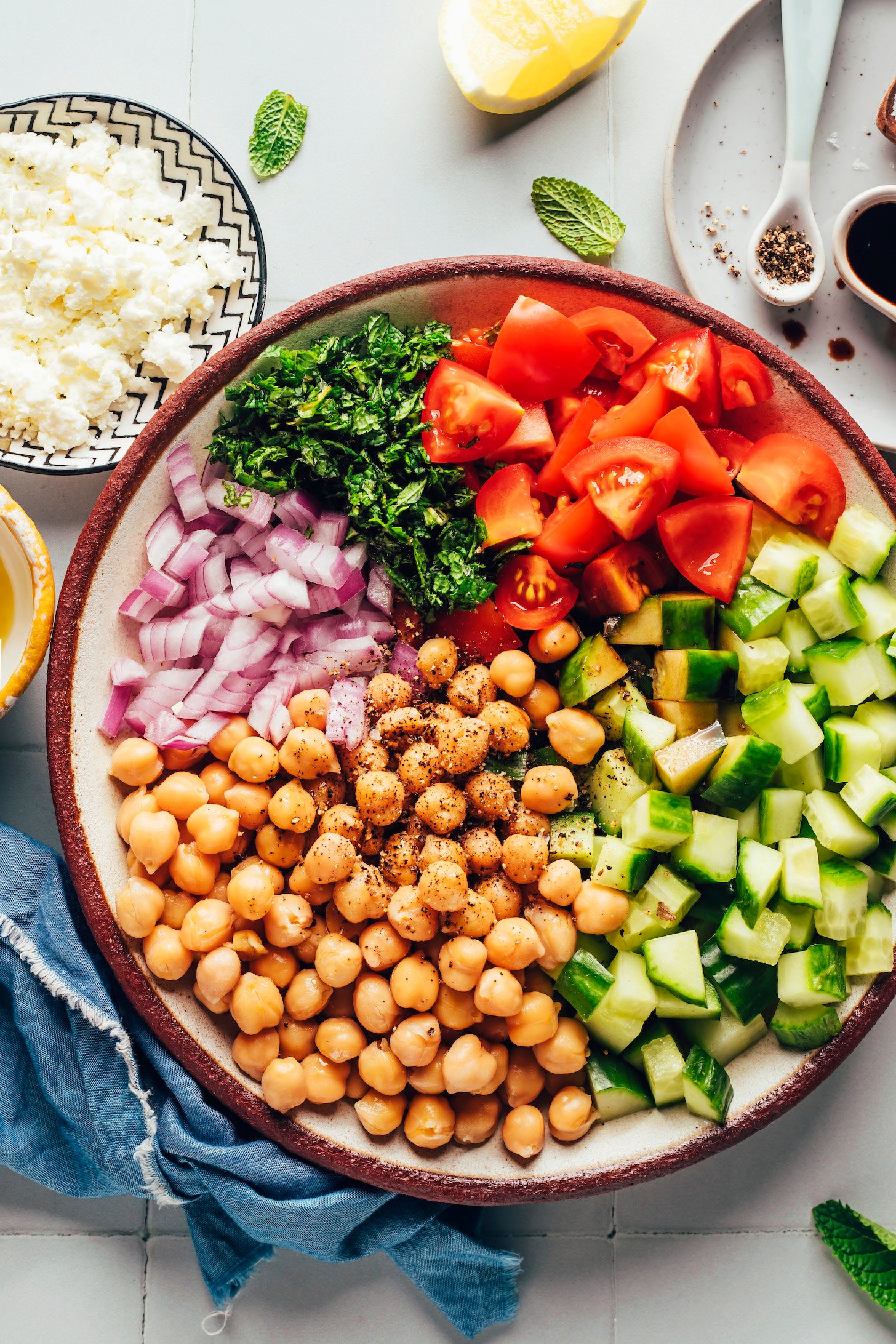
Mediterranean chickpea cucumber salad is a colorful and fresh dish that brings together crisp vegetables, soft beans, and a zingy dressing. This recipe is a fantastic choice for anyone who wants a meal that is both light and filling. You get the crunch from fresh cucumbers, sweetness from juicy cherry tomatoes, and a wonderful creaminess from crumbled feta cheese. The entire bowl is brought to life with a simple lemon juice and olive oil dressing that coats every single ingredient. It is the kind of salad that makes you feel happy and energized after eating it because every mouthful offers a bright explosion of summer flavors. Whether you are looking for a quick lunch, a simple dinner side, or a reliable meal prep option for a busy work week, this colorful dish delivers on every promise. It combines basic ingredients that you can easily find at any local grocery store, turning them into something truly delicious without requiring any advanced cooking skills.
People across the world absolutely adore this salad because it balances simplicity with incredible taste. Traditional salads often get a bad reputation for being boring, bland, or leaving you hungry an hour later, but this particular combination completely changes that experience. The chickpeas act as a rich source of plant protein and fiber, making the salad surprisingly hearty and satisfying. At the same time, the high water content in cucumbers and bell peppers makes the dish remarkably refreshing, especially on hot days when heavy food feels uncomfortable. Another big reason for its popularity is its remarkable versatility and forgiving nature. You do not need to follow strict culinary rules or measure every single spice down to the exact milligram to make it taste amazing. It holds up extremely well in the refrigerator for days without becoming soggy, which makes it a favorite among busy parents, students, and meal preppers who want healthy food ready to eat at a moment’s notice.
There are so many wonderful occasions and personal reasons to whip up a fresh bowl of this Mediterranean delight. From an emotional perspective, making and sharing this vibrant salad brings a sense of pure joy, sunshine, and warm coastal vibes straight into your dining room. It feels good to feed yourself and your family something that is made from whole, colorful, unprocessed ingredients that nourish the body from within. For fitness enthusiasts and health conscious individuals, this recipe is a massive victory because it provides clean protein, healthy fats from olive oil, and plenty of vitamins while keeping unnecessary calories low. It fits beautifully into a wide variety of lifestyle choices, including vegetarian diets, Mediterranean eating habits, and clean eating routines. Taste lovers appreciate how the salty feta cheese perfectly contrasts with the tart lemon dressing and the mild earthy tone of the chickpeas. It is the perfect dish to bring to neighborhood potlucks, outdoor summer barbecues, lazy Sunday picnics, or simple weeknight family dinners where you want maximum flavor with minimal kitchen cleanup.
Preparing this salad is also a fantastic way to build confidence in the kitchen if you are just starting your culinary journey. Cooking can sometimes feel intimidating with long ingredient lists, complicated techniques, and precise timing, but this salad requires zero actual cooking or stove usage. All you need is a cutting board, a good chef knife, a large mixing bowl, and your fresh produce. Chopping the fresh vegetables can actually become a relaxing, mindful ritual after a long, stressful day at work or school. Seeing all the bright reds, greens, purples, and yellows mix together in one big bowl gives you an instant feeling of accomplishment before you even take your first bite. Plus, learning how to make a homemade salad dressing using real lemon juice and extra virgin olive oil is a foundational skill that will improve all your future cooking. Once you see how much better a fresh homemade salad tastes compared to store bought alternatives, you will want to make this wholesome recipe a permanent part of your weekly meal rotation.
Ingredients You Will Need
Here is everything you need to gather before making your fresh salad. Every item is measured clearly so you can easily prepare your meal with perfect results every single time.
-
Chickpeas: Two full cans of cooked chickpeas, which equal about thirty ounces or eight hundred grams when combined, thoroughly drained and rinsed under cold water.
-
English Cucumber: One large English cucumber, diced into small, even bite sized cubes.
-
Cherry Tomatoes: Two cups of fresh cherry tomatoes or grape tomatoes, washed and sliced neatly into halves.
-
Red Onion: One medium red onion, finely chopped into tiny pieces for a sharp, savory bite.
-
Kalamata Olives: One half cup of pitted Kalamata olives, sliced into thin rings or halved.
-
Feta Cheese: One half cup of real block feta cheese, crumbled gently with a fork or your fingers.
-
Fresh Parsley: One half cup of fresh flat leaf parsley, washed, dried, and finely chopped.
-
Extra Virgin Olive Oil: One third cup of high quality extra virgin olive oil.
-
Fresh Lemon Juice: Three tablespoons of freshly squeezed lemon juice, which is usually the juice from one large lemon.
-
Garlic: Two cloves of fresh garlic, peeled and finely minced or crushed.
-
Dried Oregano: One teaspoon of dried oregano leaves.
-
Sea Salt: One half teaspoon of fine sea salt, adjusted according to your personal taste preferences.
-
Black Pepper: One quarter teaspoon of freshly cracked black pepper.
Step by Step Method
Follow these easy instructions to create your fresh salad in just a few simple steps. This recipe does not require any cooking on a stove or oven, making it quick and completely foolproof.
Step 1: Prepare the Chickpeas
Open your two cans of chickpeas using a safe can opener. Pour the chickpeas directly into a fine mesh colander or strainer sitting in your sink. Run cold tap water over the chickpeas for about thirty seconds while gently shaking the colander with your hand. This removes excess sodium, starch, and any liquid from the canning process. Allow the chickpeas to sit in the sink for five minutes so all the excess water drains away completely. Shake the strainer once more, then pour the drained chickpeas onto a clean paper towel to pat them dry before adding them to your salad bowl.
Step 2: Chop the Fresh Vegetables
Place your fresh produce on a clean cutting board. Take your English cucumber, trim off both rounded ends, and cut it lengthways into four long spears. Slice across those spears to create small, uniform cubes that match the general size of your chickpeas. Wash your cherry tomatoes, pat them dry, and slice each one down the middle into two equal halves. Peel your red onion, slice it in half from top to bottom, and finely chop one half into tiny pieces so the onion flavor spreads evenly throughout the bowl without overwhelming any single bite. Slice your Kalamata olives into thin round rings, ensuring there are no remaining pits inside.
Step 3: Chop the Fresh Herbs and Cheese
Take your fresh parsley bundle, wash it under cold water, and shake off as much water as possible. Use a clean cloth or paper towel to dry the parsley thoroughly, as wet herbs can make the salad soggy. Trim away the thick lower stems, then bundle the leafy tops together on your cutting board and use a sharp knife to chop them finely. Take your block of feta cheese and use your clean fingers or a small fork to crumble it into medium sized chunks. Crumbling cheese from a fresh block usually results in a much creamier texture than buying pre crumbled cheese from the store.
Step 4: Whisk the Fresh Dressing
In a small glass bowl or a clean glass mason jar with a lid, combine your extra virgin olive oil and freshly squeezed lemon juice. Add your minced garlic cloves, dried oregano, fine sea salt, and freshly cracked black pepper into the liquids. If using a bowl, use a small wire whisk or fork to beat the mixture vigorously for about thirty seconds until the oil and lemon juice blend together into a smooth, slightly thickened dressing. If using a glass jar, screw the lid on tightly and shake the jar hard for twenty seconds until everything is completely emulsified and well blended.
Step 5: Combine All Salad Ingredients
Find your largest glass or ceramic mixing bowl. Pour the drained and dried chickpeas into the bottom of the bowl. Add the diced English cucumber, sliced cherry tomato halves, finely chopped red onion, and ringed Kalamata olives on top of the chickpeas. Scatter the finely chopped fresh parsley over the top of the vegetables. Pour your freshly whisked garlic lemon dressing evenly over all the ingredients in the bowl. Use two large wooden spoons or salad servers to gently fold the ingredients together from the bottom up until every piece is lightly coated with dressing.
Step 6: Add Feta and Rest
Sprinkle the crumbled feta cheese over the mixed salad. Use your salad servers to fold the mixture just once or twice more so the cheese spreads through the bowl without completely dissolving into the dressing. You can serve the salad immediately at room temperature, but for the absolute best taste experience, cover the bowl with plastic wrap or a lid and place it in your refrigerator for at least thirty minutes. This brief resting period allows the chickpeas to absorb the garlic, lemon, and oregano flavors while keeping the cucumbers crisp and cold.
Why This Recipe Is Special
This Mediterranean chickpea cucumber salad stands out from typical side dishes for several amazing reasons. First, it offers a complete nutrition profile packed into a single, effortless bowl. Chickpeas are known as a nutrient dense legume, offering rich supplies of plant protein, dietary fiber, iron, folate, and essential minerals. The combination of protein and fiber promotes steady digestion, stabilizes blood sugar levels, and keeps you feeling full for several hours after eating, which prevents unnecessary snacking on low nutrient foods throughout the day.
Second, the healthy fats featured in this salad play an important role in overall health and nutrient absorption. Extra virgin olive oil is celebrated worldwide for its high content of heart healthy monounsaturated fatty acids and powerful antioxidants that help fight inflammation in the body. Combining olive oil with vegetables is actually smart science, as healthy fats help your body absorb fat soluble vitamins found in tomatoes and fresh herbs, such as vitamin A and vitamin K. Feta cheese adds a mild touch of calcium while providing a savory, satisfying taste that makes healthy eating feel like a treat.
Finally, the taste harmony in this recipe is truly exceptional. Every bite offers a balance of different textures and flavors that stimulate your taste buds. You get crunchiness from the cucumber, juiciness from the ripe cherry tomatoes, creaminess from the feta, earthy heartiness from the chickpeas, and a bright, zesty tang from the fresh lemon dressing. Because there are no mayonnaise or heavy dairy cream bases involved, the salad feels light on your stomach and leaves you feeling refreshed and energized rather than sluggish after your meal.
Extra Tips for Better Taste
If you want to take this simple recipe from good to restaurant quality, a few creative adjustments can make a huge difference. Try applying these friendly tips to elevate your salad experience:
-
Soak the Onions: Raw red onions can sometimes have a sharp, burning bite. To soften their flavor, soak your chopped onions in a small bowl of cold water with a pinch of salt for ten minutes, then drain before adding them to the salad.
-
Use Block Feta: Always purchase a block of feta preserved in brine rather than dry pre crumbled feta. Block feta retains much more moisture, offers a richer texture, and tastes far less salty and processed.
-
Add Fresh Herbs: While parsley is classic, adding fresh dill, fresh mint, or fresh basil can give your salad an incredible gourmet aroma that feels extra special during warm summer months.
-
Incorporate Extra Vegetables: Feel free to add diced red bell pepper, yellow bell pepper, or crisp radishes to increase the colorful crunch and boost the total vitamin C content of your dish.
-
Include Avocado: If you plan to consume the salad right away, gently fold in one diced ripe avocado right before serving to add a buttery texture that pairs wonderfully with the tangy lemon dressing.
-
Try Toasted Seeds: Sprinkle a tablespoon of toasted sunflower seeds or pine nuts over the top right before serving to give your salad an extra layer of nutty flavor and fun crunchiness.
Final Thoughts
Making nutritious food at home does not have to be difficult, time consuming, or expensive. This Mediterranean chickpea cucumber salad proves that simple, fresh ingredients treated with love can create a meal that is both exceptionally delicious and good for your body. It is a foolproof recipe that welcomes custom touches, holds up well in your fridge, and satisfies your hunger without weighing you down. Give this easy recipe a try this week, share it with family or friends, and enjoy the bright, refreshing tastes of fresh home cooking!
Nutrition Details
Below is an estimated nutritional breakdown for this recipe. Values are calculated per serving, assuming the total bowl is divided into four equal generous servings.
| Nutritional Component | Amount Per Serving | Daily Value Percentage |
| Calories | 380 kcal | 19% |
| Total Fat | 21 g | 27% |
| Saturated Fat | 5 g | 25% |
| Sodium | 580 mg | 25% |
| Total Carbohydrates | 36 g | 13% |
| Dietary Fiber | 9 g | 32% |
| Sugars | 6 g | 12% |
| Protein | 12 g | 24% |
| Calcium | 150 mg | 15% |
| Iron | 3.5 mg | 20% |
Disclaimer
The nutritional information provided in this article is for general educational and informational purposes only and is calculated using standard ingredient databases. Every individual human body is unique, with different metabolic needs, health conditions, and dietary requirements. Actual nutritional content may vary based on specific brand selections, ingredient substitutions, and exact portion sizes used in your kitchen. If you have specific dietary restrictions, severe food allergies, or underlying medical conditions, please consult with a qualified healthcare professional or a registered dietitian before making significant changes to your daily eating habits.