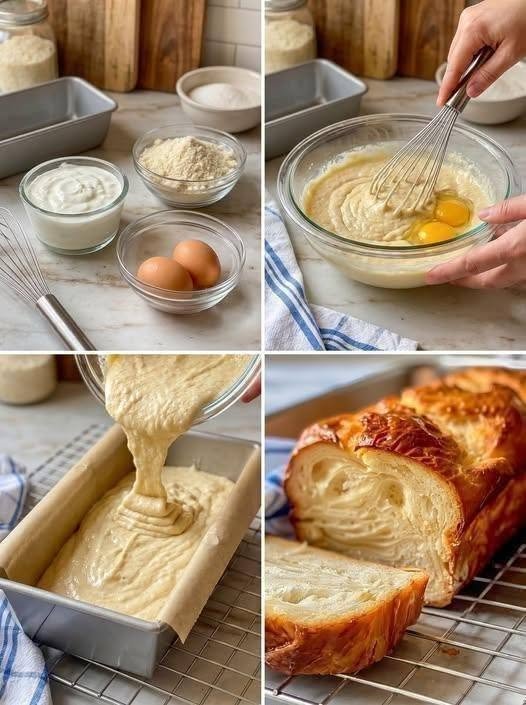
Zero Carb Yogurt Bread: Soft, High-Protein Bread With Almost No Carbs
Imagine pulling a warm loaf from the oven and hearing that faint, satisfying crackle as the crust cools. You slice through the golden top and discover a tender, springy center—soft enough for a generous swipe of butter, sturdy enough for a sandwich, and wonderfully savory without the heavy, doughy feeling of traditional bread.
That is the magic of Zero Carb Yogurt Bread.
If you’ve ever stared longingly at the bread basket while following a low-carb or keto lifestyle, this recipe is about to become a favorite. It uses a handful of simple ingredients to create a surprisingly bread-like loaf with plenty of protein and very little carbohydrate, depending on the yogurt and protein powder you choose.
The secret is the combination of thick Greek-style yogurt and egg whites. The yogurt brings moisture and a subtle tang, while the egg whites create structure and lift. Add a little baking powder and the right dry ingredients, and something wonderfully bread-like happens in the oven.
The finished loaf smells lightly toasted and buttery, with a delicate golden crust and a moist, fluffy interior. It isn’t pretending to be a traditional wheat loaf—and that’s exactly why it works so well.
Important note: “Zero carb” depends on the exact ingredients and their nutrition labels. Many yogurts contain naturally occurring carbohydrates, so for the lowest possible carb count, choose an unsweetened yogurt specifically labeled 0 g carbohydrates per serving and verify your protein powder’s label as well.
Why You’ll Love This Recipe
- Very low in carbohydrates: Ideal for keto and low-carb meal plans when made with truly zero-carb ingredients.
- High in protein: Greek-style yogurt, egg whites, and protein powder make this bread surprisingly filling.
- Easy to make: No yeast, kneading, proofing, or complicated bread-making techniques.
- Budget-friendly: A few everyday ingredients produce several servings of bread.
- Soft and satisfying: The inside is tender and slightly springy rather than dry and crumbly.
- Versatile: Enjoy it for breakfast, sandwiches, toast, or alongside soup.
- Naturally gluten-free: When you use certified gluten-free ingredients.
- Meal-prep friendly: The loaf stores beautifully and can be sliced before freezing.
Ingredients With Exact Measurements
For 1 small loaf, approximately 8 servings
- 1 cup / 240 g / 8.5 oz unsweetened, thick Greek-style yogurt, preferably 0% or specifically labeled 0 g carbohydrates
- 1 cup / 240 g / 8.5 oz liquid egg whites
- 1/2 cup / 45 g / 1.6 oz unflavored whey protein isolate or another low-carb protein powder
- 1/2 cup / 56 g / 2 oz finely milled almond flour
- 2 tablespoons / 14 g / 0.5 oz psyllium husk powder
- 2 teaspoons / 8 g / 0.28 oz baking powder
- 1/2 teaspoon / 3 g fine sea salt
- 1 tablespoon / 14 g / 0.5 oz melted butter or olive oil, optional
- 1/2 teaspoon garlic powder, optional for a savory loaf
- 1/2 teaspoon dried herbs, optional
Healthy Substitutions
For a lower-fat version, leave out the butter or oil.
For a dairy-free experiment, unsweetened coconut or plant-based yogurt may work, but the texture and nutritional profile will change considerably. Choose one that is thick and unsweetened.
If you’re avoiding nuts, substitute a suitable low-carb seed flour where appropriate, but expect a somewhat different texture.
Don’t skip the psyllium husk too casually. It helps absorb moisture and gives this bread structure. Without it, the loaf can become wet, fragile, or eggy.
Nutritional Information Per Serving
The following is an approximate estimate for 1 of 8 servings, assuming a zero-carb yogurt, low-carb whey isolate, and the listed ingredients. Actual nutrition will vary significantly by brand.
- Calories: approximately 105–120
- Protein: approximately 14–16 g
- Carbohydrates: approximately 1–3 g, potentially lower depending on ingredients
- Fat: approximately 3–5 g
- Fiber: approximately 1–2 g
The recipe can be keto-friendly, very low-carb, and gluten-free when the individual ingredients meet those requirements.
For medically necessary carbohydrate restriction, always calculate nutrition from the exact labels of the products you use rather than relying on recipe estimates.
Kitchen Tools Needed
You don’t need a kitchen full of gadgets for this recipe.
- 8 x 4-inch loaf pan
- Parchment paper
- Two mixing bowls
- Whisk
- Rubber spatula
- Digital kitchen scale
- Measuring spoons
- Wire cooling rack
- Serrated bread knife
A digital scale is particularly useful because ingredients such as psyllium and protein powder can vary dramatically when measured by volume.
Step-by-Step Preparation
1. Preheat the oven
Set your oven to 350°F (175°C).
Line an 8 x 4-inch loaf pan with parchment paper, leaving some paper hanging over the sides. This little sling makes removing the finished loaf dramatically easier.
Give the parchment a very light coating of butter or oil if desired.
2. Combine the dry ingredients
In a medium bowl, whisk together:
- Almond flour
- Whey protein isolate
- Psyllium husk powder
- Baking powder
- Salt
- Garlic powder and dried herbs, if using
Whisk thoroughly.
Pro tip: Break up any little clumps of protein powder now. Once the wet ingredients are added, they become much harder to eliminate.
3. Mix the yogurt and egg whites
In a second bowl, add the yogurt and egg whites.
Whisk until smooth and completely combined.
The mixture should look creamy and pourable, with no obvious streaks of yogurt remaining.
If you’re using melted butter or olive oil, whisk it in now.
4. Combine wet and dry ingredients
Gradually add the dry mixture to the yogurt mixture.
Use a rubber spatula to fold everything together until you have a thick, uniform batter.
Don’t panic if it seems softer than conventional bread dough. That’s normal.
Let the mixture sit for 2–3 minutes.
The psyllium will begin absorbing moisture, and the batter should thicken noticeably.
Texture cue: You’re looking for something closer to very thick muffin batter than pancake batter. It should slowly slump from the spatula rather than pour freely.
5. Transfer to the loaf pan
Scrape the batter into your prepared pan.
Use the spatula to smooth the surface. For a prettier loaf, gently round the center rather than leaving it completely flat.
Tap the pan lightly against the counter once or twice to remove large air pockets.
Don’t overdo it—you want to preserve some of the air in the mixture.
6. Bake until golden and firm
Place the pan in the center of the preheated oven.
Bake for approximately 35–45 minutes.
The exact time depends on your oven, pan, and the moisture content of your yogurt.
The loaf is ready when:
- The top is lightly golden.
- The center feels firm and springy.
- A toothpick inserted into the center comes out without wet batter.
- The internal temperature is approximately 195–200°F (90–93°C) if you’re using a thermometer.
If the top starts browning too quickly, loosely cover it with foil during the final 10 minutes.
7. Let it cool completely
This step is incredibly important.
Remove the bread from the pan using the parchment sling and place it on a wire rack.
Let it cool for at least 45–60 minutes before slicing.
I know.
The smell is filling your kitchen. The loaf is sitting there looking absolutely irresistible. And you’re supposed to wait?
Yes.
The interior continues setting as it cools. Cutting it too soon can produce a gummy or slightly wet center.
8. Slice and serve
Once completely cool, use a sharp serrated knife to cut the loaf into approximately eight slices.
For the best texture, make slow, gentle sawing motions rather than pressing straight down.
Now comes the reward: toast a slice until the edges are crisp, add butter, and take that first warm, savory bite.
Expert Cooking Tips & Mistakes to Avoid
Don’t use watery yogurt
Thin yogurt adds too much moisture and can leave you with a dense or gummy loaf.
Choose thick, strained yogurt whenever possible.
Measure psyllium carefully
Too much psyllium can make the bread rubbery or overly dense.
For consistent results, weigh it rather than scooping it casually from the container.
Don’t overmix
Once the dry ingredients are incorporated, stop mixing.
A little gentle folding is all you need. Excessive mixing can make the batter unnecessarily dense.
Don’t judge the bread while it’s hot
Fresh from the oven, the loaf may feel softer than expected.
Give it time to cool and set before deciding whether you’ve achieved the right texture.
Don’t slice with a blunt knife
A dull knife can compress the tender crumb.
A serrated bread knife gives you much cleaner slices.
Watch the protein powder
Different protein powders behave differently. Whey isolate can create a soft, light texture, while some other protein powders absorb more liquid and produce a denser loaf.
If you’re changing the protein powder, you may need to adjust the yogurt slightly.
Variations & Customizations
🌶️ Spicy Zero Carb Yogurt Bread
Turn up the heat by adding:
- 1/2 teaspoon cayenne pepper
- 1/2 teaspoon smoked paprika
- 1/4 teaspoon chili flakes
For even more flavor, fold in finely chopped jalapeño.
Serve this version alongside eggs or grilled chicken for a seriously satisfying low-carb breakfast.
🌿 Herby Garlic Bread
Add:
- 1 teaspoon garlic powder
- 1 teaspoon dried Italian herbs
- 1/2 teaspoon onion powder
After baking, brush the warm loaf lightly with melted butter and sprinkle with parsley.
The aroma alone is worth making the loaf.
🥗 Extra-Healthy Version
Leave out the butter and use a low-fat yogurt and lean protein powder.
Add a tablespoon of ground flaxseed if its carbohydrate content fits your nutritional goals.
You’ll get a slightly earthier flavor and a heartier crumb.
🧀 Cheesy Version
For a richer, more indulgent loaf, fold in approximately 1/4 cup / 25–30 g / 1 oz finely shredded hard cheese.
Cheddar, Parmesan, or a sharp aged cheese can work beautifully.
Remember that cheese changes the nutritional values, so recalculate if precise macros matter to you.
👧 Kid-Friendly Version
Keep the basic recipe mild.
Skip garlic, chili, and strong herbs, then serve small toasted slices with butter, cream cheese, or a favorite low-sugar spread.
Cut the bread into fun shapes with cookie cutters for an easy lunchbox-style treat.
Storage & Reheating Instructions
Refrigerator
Once completely cooled, wrap the loaf tightly or place the slices in an airtight container.
Store in the refrigerator for approximately 4–5 days.
Because this is a moist, protein-rich bread, refrigeration is preferable to leaving it at room temperature for several days.
Freezer
Slice the loaf before freezing.
Place parchment between the slices and store them in a freezer-safe bag or airtight container for up to 2–3 months for best quality.
This makes breakfast incredibly easy: grab a slice whenever you need one.
Best Reheating Method
For the best texture, toast refrigerated or thawed slices in a toaster or toaster oven until warm with lightly crisp edges.
You can also warm a slice in a skillet over medium-low heat for a few minutes.
Microwaving works in a pinch, but keep the time short—about 10–15 seconds at a time—because too much microwave heat can make the texture rubbery.
Serving Suggestions
This bread is wonderfully adaptable.
For breakfast, toast it and top with butter, avocado, cream cheese, or eggs.
For lunch, use two slices to make a turkey-and-cheese sandwich, chicken salad sandwich, or grilled cheese.
For a light dinner, serve a toasted slice alongside:
- Creamy tomato soup
- Chicken soup
- Scrambled eggs
- Grilled chicken
- Tuna salad
- Avocado and eggs
- Roasted vegetables
- Low-carb dips
For an especially delicious snack, toast a slice until golden, spread it with salted butter, and add a sprinkle of flaky salt.
Simple? Absolutely.
Boring? Not a chance.
Frequently Asked Questions
1. Is Zero Carb Yogurt Bread really zero carb?
It can be extremely low in carbohydrates, but the answer depends on your ingredients. Yogurt naturally contains lactose unless it has been specially formulated or labeled otherwise. Some protein powders and almond flours also contain small amounts of carbohydrates.
For genuinely zero carbohydrates, check the nutrition labels of every ingredient and calculate the total yourself.
2. Can I make this bread without almond flour?
Yes, but don’t expect an identical result.
Almond flour contributes tenderness and moisture balance. A suitable low-carb seed flour may work as an alternative, although you may need to adjust the liquid because different flours absorb moisture differently.
3. Why is my bread gummy in the middle?
The most common causes are too much moisture, insufficient baking time, or slicing before the bread has cooled.
Next time, use thicker yogurt, bake until the center is completely set, and allow the loaf to cool for at least 45–60 minutes.
4. Can I use whole eggs instead of egg whites?
You can experiment with whole eggs, but they will change the texture, color, fat content, and flavor.
The egg whites are particularly useful here because they provide structure without adding much fat.
5. Can I make this recipe dairy-free?
Potentially, yes. Use a thick, unsweetened dairy-free yogurt and a dairy-free protein powder that suits your dietary requirements.
Because these substitutions vary considerably in moisture and protein content, the final texture may not be identical.
6. Is this bread keto-friendly?
It can be. If you use ingredients that fit your carbohydrate target, this recipe can work well for a ketogenic or low-carb diet.
However, always calculate the net and total carbohydrates from your specific ingredient labels if you’re following a strict ketogenic plan.
7. Why does my loaf collapse after baking?
A loaf that rises dramatically and then sinks can indicate excess moisture, underbaking, or a structure that hasn’t fully set.
Make sure the center is firm before removing it from the oven, and allow the loaf to cool gradually rather than cutting it immediately.
Final Thoughts: Your New Low-Carb Bread Obsession
There are recipes you make because they’re practical—and then there are recipes you make because they make you genuinely excited to eat.
Zero Carb Yogurt Bread belongs in the second category.
It turns a few humble ingredients into something warm, golden, tender, and wonderfully versatile. There’s no yeast to babysit, no dough to knead, and no waiting around for a loaf to rise.
Just mix, bake, cool, slice, and enjoy.
Whether you’re looking for a keto bread recipe, a high-protein bread, a low-carb breakfast idea, or simply a better alternative to traditional bread, this loaf is worth a spot in your recipe rotation.
So preheat that oven, grab your yogurt, and give it a try.
And when you pull that golden loaf from the oven, don’t forget the best part: toast a slice, add a little butter, take a bite, and enjoy that wonderful moment when eating low-carb doesn’t feel like giving anything up.
If you make this Zero Carb Yogurt Bread, leave a comment and let me know how it turned out! Share the recipe with someone who loves homemade bread, and tell me which variation you tried first.