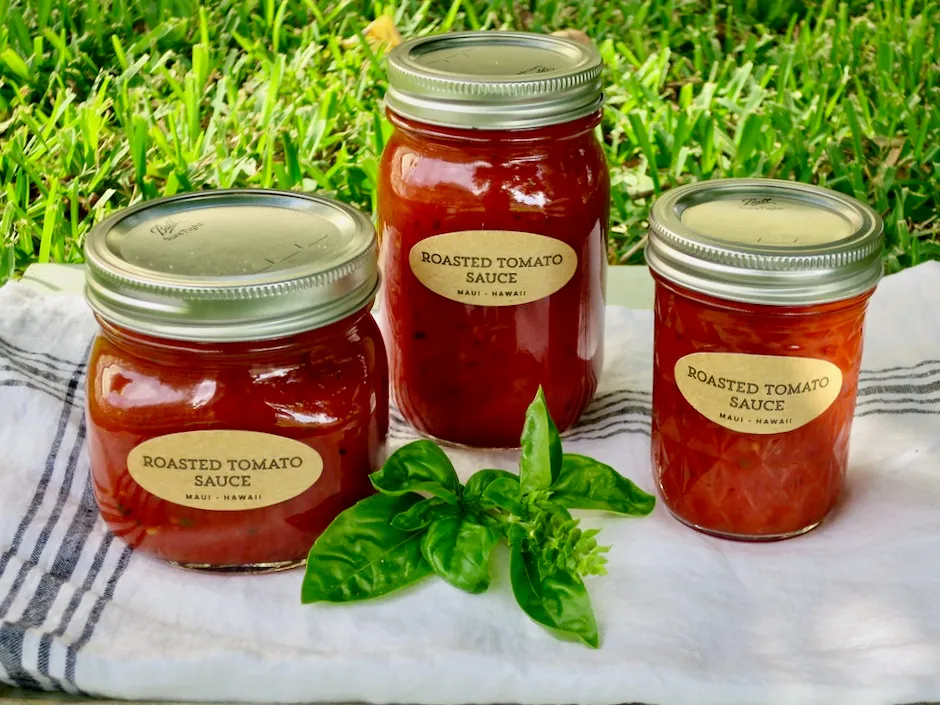
Making your own homemade tomato sauce is one of the most rewarding kitchen projects you can ever try, and this canned roasted tomato sauce recipe is absolute perfection for anyone who wants to enjoy rich and fresh flavors all year round. When you roast fresh tomatoes in a hot oven, their natural sugars slowly caramelize, and their excess moisture evaporates, leaving behind a deep, rich, sweet, and smoky flavor that you simply cannot buy in a store. This article will guide you through the whole process from start to finish using simple language and easy steps so that you can create beautiful jars of delicious sauce even if you are a complete beginner in the kitchen. Learning how to preserve this amazing flavor allows you to enjoy the wonderful taste of peak summer produce during the cold winter months when fresh tomatoes are hard to find and lack real flavor. By following this complete guide, you will gain the confidence to make, preserve, and store your own healthy food, which saves money and brings incredible satisfaction to your daily cooking routine.
People all over the world love this particular recipe because it combines the deep aroma of slow roasting with the convenience of long term home canning. Most people who try making tomato sauce on the stove notice that it can sometimes taste thin, acidic, or watery unless it simmers for many hours, but roasting the vegetables on baking sheets concentrates the taste naturally with very little active work. The combination of sweet roasted tomatoes, aromatic fresh garlic, rich olive oil, and earthy herbs creates a thick and luxurious texture that clings perfectly to pasta, pizza bases, soups, and casseroles. Families appreciate knowing exactly what goes into their food, as store bought canned sauces often contain extra white sugar, artificial preservatives, high amounts of sodium, and unnecessary chemicals that lower the overall quality of the meal. Once you taste the incredible difference that roasting makes, you will never want to go back to buying commercial jars from the supermarket shelf ever again.
You should make this recipe whenever you have an abundance of ripe summer tomatoes from your backyard garden, or when you find a great deal on fresh produce at your local farmers market. There is a deep emotional connection to preserving fresh food for your family, as it connects us to old culinary traditions and creates a feeling of warmth, self reliance, and comfort in the home. Eating meals made with healthy, whole ingredients also supports your physical fitness goals, giving your body wholesome nutrients, antioxidants, and pure clean energy without any unwanted additive ingredients or unhealthy processed fats. Cooking this sauce fills your home with the most amazing aroma of garlic, herbs, and sweet roasted vegetables, turning a regular weekend afternoon into a cozy and joyful cooking experience that brings family members together in the kitchen. Whether you are preparing for busy weeknight dinners or building up your pantry storage, this recipe is the ultimate way to savor nature’s delicious bounty.
Preparing a batch of this wonderful sauce is also a fantastic project for anyone looking to build better habits around meal preparation and healthy living. Having readymade jars sitting on your pantry shelves makes it incredibly simple to whip up a wholesome, delicious, and nutritious dinner in just a few minutes after a long and tiring day at work. Instead of ordering fast food or relying on heavily processed convenience meals, you can simply pop open a fresh jar of your homemade roasted sauce, heat it gently on the stove, and pour it over warm whole grain pasta or roasted vegetables. The sense of pride you feel when serving food you created entirely from scratch is truly unmatched, and your friends and family will surely appreciate the incredible care and effort you put into every single meal. Taking the time to preserve peak season produce is a beautiful gift to your future self, ensuring that healthy and delicious food is always within reach whenever you need it.
Ingredients You Will Need
To make about six small glass jars of this delicious sauce, gather the following ingredients in these exact quantities:
Ten pounds of ripe plum tomatoes or Roma tomatoes One cup of extra virgin olive oil Twelve fresh garlic cloves, peeled and left whole Two large yellow onions, peeled and chopped into large chunks Two tablespoons of fine sea salt One tablespoon of freshly ground black pepper Two tablespoons of dried oregano Two tablespoons of dried basil One tablespoon of dried thyme One teaspoon of red pepper flakes for mild heat Six tablespoons of bottled lemon juice, allocated as one tablespoon per glass jar
Step by Step Method
Wash all your tomatoes thoroughly under cool running water to remove any dirt or dust. Pat them completely dry using clean kitchen towels. Cut each tomato in half lengthwise. If you are using very large tomatoes, you can cut them into quarters so they roast evenly.
Preheat your oven to four hundred degrees Fahrenheit. Prepare two or three large rimmed baking sheets by lining them with parchment paper. Arrange the tomato halves on the baking sheets with their cut sides facing upward. Scatter the chopped yellow onions and whole garlic cloves evenly among the tomato pieces on the trays.
Drizzle the extra virgin olive oil evenly over all the vegetables on the baking sheets. Sprinkle the fine sea salt, black pepper, dried oregano, dried basil, dried thyme, and red pepper flakes over the top. Use clean hands to gently toss everything together so every piece is coated in oil and spices, then turn the tomatoes so their cut side faces down on the pan.
Place the baking sheets into the preheated oven and roast for about forty five minutes to one hour. Keep an eye on them while they cook. You want the skins of the tomatoes to become soft, wrinkled, and slightly charred at the edges, which develops that rich roasted taste.
Remove the baking sheets from the oven and let the roasted vegetables cool for fifteen minutes until they are safe to handle. You can choose to slip the tomato skins off with your fingers if you prefer a very smooth sauce, or you can leave the skins on to add extra dietary fiber and rustic texture.
Transfer the roasted tomatoes, onions, garlic, and all the warm juices from the baking sheets into a large blender or food processor. Blend in small batches until you reach your desired consistency. You can blend it completely until smooth, or pulse it briefly if you prefer a chunkier style sauce.
Pour the blended sauce into a large stainless steel stockpot. Place the pot over medium heat and bring the sauce to a gentle simmer. Let it cook uncovered for fifteen to twenty minutes, stirring frequently with a wooden spoon so it does not stick to the bottom. This step helps thicken the sauce and blends all the spices together nicely.
While the sauce is simmering, prepare your water bath canner and glass jars. Wash six pint size glass canning jars, along with their lids and rings, in warm soapy water and rinse them thoroughly. Fill your large canning pot with water and heat it until it is hot but not boiling. Place the clean jars into the hot water bath to keep them warm so they do not crack when filled with hot sauce.
Carefully lift the warm jars out of the hot water using jar tongs, placing them on a clean towel on your kitchen counter. Add exactly one tablespoon of bottled lemon juice into the bottom of each warm jar. Adding lemon juice is essential because it ensures the sauce has enough acid to be preserved safely in a water bath canner.
Ladle the hot roasted tomato sauce into the jars, leaving one half inch of empty space at the very top of each jar. This space is called headspace and allows the food to expand safely during the canning process.
Insert a clean plastic utensil or chopstick down into the sides of each jar to release any trapped air bubbles. Adjust the sauce level if needed to maintain that one half inch space at the top.
Take a clean damp paper towel and carefully wipe the glass rims of all the jars. Any small drop of food or grease on the rim could prevent the lids from sealing properly.
Place a flat canning lid on top of each jar, ensuring the rubber seal touches the clean glass rim. Screw the metal bands over the lids until they are finger tight, meaning you tighten them gently until you feel resistance, without forcing them too hard.
Lower the filled jars carefully back into the pot of hot water using your jar tongs. Ensure that the jars are completely covered by at least one to two inches of water. Place the lid on the canning pot and bring the water to a full rolling boil.
Once the water boils rapidly, start your timer and process the jars for thirty five minutes. If you live at a high altitude above one thousand feet, you will need to adjust and increase the boiling time according to standard home canning guidelines.
When the processing time is up, turn off the heat and remove the pot lid. Let the jars sit inside the hot water for five minutes to stabilize.
Use jar tongs to carefully lift the jars straight out of the hot water without tilting them. Place the hot jars onto a thick towel on a flat kitchen counter away from cold drafts. Leave them completely undisturbed for twenty four hours to cool down naturally.
As the jars cool down, you will hear a wonderful popping sound, which means the vacuum seal has formed successfully. After twenty four hours, press the center of each lid with your finger. If the lid stays down and does not flex up and down, your jar is properly sealed. If any jar fails to seal, store it in the refrigerator and use it within one week.
Clean the outside of your sealed jars, label them with the date and recipe name, and store them in a cool, dark, and dry pantry. They will stay fresh and delicious for up to one full year.
Why This Recipe Is Special
This canned roasted tomato sauce stands out because the simple act of oven roasting transforms ordinary garden vegetables into an extraordinary meal ingredient. Roasting brings out deep hidden flavors that boiling or simmer pots simply cannot achieve on their own. The intense heat cooks away excess water while caramelizing the natural fruit sugars, giving you a naturally thick, rich, and flavorful sauce without needing added paste or artificial thickeners.
From a health perspective, tomatoes are one of the very best natural sources of lycopene, a powerful antioxidant that supports heart health and protects cells throughout your body. Interestingly, your body absorbs lycopene much better when tomatoes are cooked and combined with healthy fats like extra virgin olive oil, making this recipe both delicious and highly nutritious. Garlic and onions also add natural immune boosting properties, essential minerals, and dietary fiber that support your digestion and overall wellness.
Unlike store bought jars that are often filled with high fructose corn syrup, excessive salt, and chemical stabilizers, this homemade version contains pure, clean ingredients that you can feel completely good about eating. You have full control over what goes into your body, making this a smart choice for anyone focused on healthy living, clean eating, or maintaining a balanced diet.
Extra Tips for Better Taste
To make your sauce taste even more amazing, consider using a mixture of different tomato varieties. Combining sweet cherry tomatoes with meaty Roma tomatoes creates a complex flavor profile that balances natural acidity with rich sweetness.
Do not be afraid of a little bit of dark brown color on your vegetables during the roasting process. Those slightly charred edges contain incredible flavor that will make your sauce taste like it came directly from an authentic rustic Italian kitchen.
For an extra layer of herbal fresh flavor, you can add a handful of fresh basil leaves right into the blender just before you blend the warm roasted vegetables. Fresh herbs added at the end brighten the entire profile of the sauce.
If you find that your tomatoes are particularly tart or acidic, you can add one or two whole peeled carrots to the baking sheet along with the onions. Carrots roast beautifully and add natural root vegetable sweetness without needing any processed white sugar.
Always use bottled lemon juice rather than fresh lemons for the canning step. Bottled lemon juice has a standardized level of acidity that guarantees your home preserved canned goods remain completely safe to store at room temperature.
Final Thoughts
Making your own canned roasted tomato sauce is a truly satisfying culinary journey that brings fresh garden goodness into your kitchen every single day of the year. It allows you to slow down, enjoy the art of simple home cooking, and feed your loved ones wholesome food made with real care and top quality ingredients. With just a few simple steps, basic ingredients, and proper canning safety, you can fill your pantry shelves with rich, fragrant jars that elevate every single meal you prepare. Give this recipe a try this season, and enjoy the rich, heartwarming taste of sweet roasted tomatoes whenever you crave a comforting meal.
Nutrition Details
Here is an estimated nutritional breakdown for this roasted tomato sauce recipe. These values are calculated per serving, assuming one cup of sauce per serving out of twelve total servings produced by this recipe batch.
Nutrition Table Recipe Values
Serving Size: One Cup Total Servings Per Batch: Twelve Calories Per Serving: One Hundred Twenty Calories Total Fat: Eight Grams Saturated Fat: One Gram Trans Fat: Zero Grams Sodium: Three Hundred Eighty Milligrams Total Carbohydrates: Eleven Grams Dietary Fiber: Three Grams Sugars: Six Grams Protein: Two Grams Vitamin A: Twenty Percent Daily Value Vitamin C: Forty Percent Daily Value Calcium: Four Percent Daily Value Iron: Eight Percent Daily Value
Disclaimer
This recipe and the nutritional information provided in this article are meant for general educational and informational purposes only. Everyone’s body, health conditions, dietary requirements, and metabolic needs are unique, so individual nutritional results may vary depending on the specific ingredients and brands you choose to use. If you have specific dietary restrictions, allergies, or medical health concerns, please consult with a qualified doctor or registered dietitian before making significant changes to your regular diet. Always follow standard food safety procedures and home canning guidelines carefully to ensure your food is prepared and preserved safely.