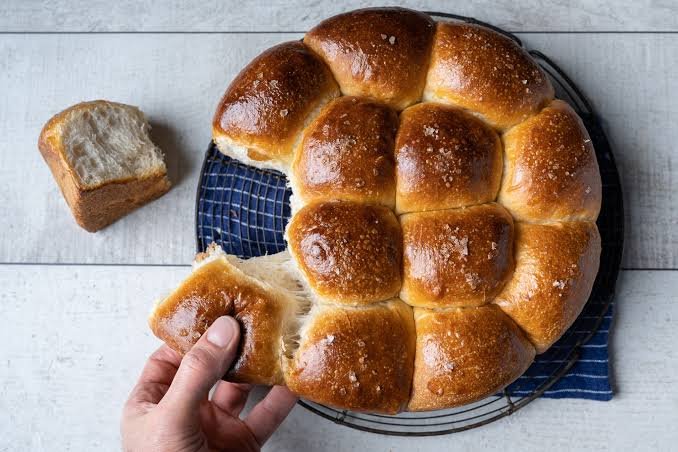
Making your own soft sourdough sandwich rolls at home is one of the most rewarding baking projects you can ever try. These rolls are super tender, light, and full of rich flavor that comes from natural fermentation. If you have ever tried store bought sourdough bread and found it too tough or sour, this recipe will completely change your mind. We are taking the healthy goodness of natural sourdough and combining it with a soft milk bread style texture that kids and adults both love. These rolls hold up beautifully when filled with heavy sandwich toppings like roasted meats, fresh vegetables, cheeses, and sauces without falling apart or getting soggy.
People absolutely fall in love with these rolls because they offer the absolute best of both worlds. You get the wonderful health benefits of fermented sourdough starter alongside the pillowy softness of a dinner roll. The crust stays soft enough to bite through easily, which means you will not hurt the roof of your mouth like you sometimes do with hard rustic sourdough loaves. They have a subtle tangy flavor that enhances your favorite sandwich ingredients rather than overpowering them. Once you taste a fresh roll right out of the oven, it is almost impossible to go back to processed plastic wrapped bread from the grocery store.
There are so many wonderful occasions to bake a warm batch of these delicious sourdough rolls. You can make them on a quiet weekend morning to set yourself up for a week of easy, healthy lunches for work or school. They are ideal for summer picnics, family barbecues, game day gatherings, or holiday dinners where you want to impress your guests with fresh homemade bread. Eating foods made with long fermented starter is also great for your digestion and fitness goals because the natural wild yeast breaks down heavy grains before you even eat them. Baking these rolls brings a sense of calm, comfort, and deep satisfaction to your kitchen.
Baking fresh bread is also a fantastic way to slow down and practice mindfulness in your daily routine. The simple process of mixing dough, watching it rise, and shaping each roll by hand connects you to ancient culinary traditions. Smelling fresh bread baking in your oven fills your entire house with a warm and welcoming aroma that brings your family together in the kitchen. Whether you are aiming to eat cleaner, cut out artificial preservatives, or simply master a new kitchen skill, learning how to make soft sourdough sandwich rolls is a joyful habit that will nourish both your body and your soul for many years to come.
Ingredients You Will Need
-
150 grams active sourdough starter, bubbly and fed
-
500 grams bread flour or high protein all purpose flour
-
240 milliliters whole milk, lukewarm
-
1 large egg, room temperature
-
50 grams unsalted butter, melted and cooled
-
30 grams honey or maple syrup
-
10 grams fine sea salt
-
1 extra egg mixed with 1 tablespoon water for the egg wash
-
2 tablespoons sesame seeds or poppy seeds for topping, optional
Step by Step Method
Step 1: Prepare Your Dough
Start by taking a large mixing bowl and adding your active sourdough starter, warm milk, egg, melted butter, and honey. Whisk all these wet ingredients together thoroughly until the mixture becomes smooth and completely combined. Next, add your bread flour and sea salt directly into the bowl. Use a sturdy wooden spoon or a silicone spatula to mix everything together until a shaggy dough forms and no dry flour remains at the bottom of the bowl. Cover the bowl loosely with a damp kitchen towel and let it rest for thirty minutes to allow the flour to fully absorb the liquid.
Step 2: Knead the Dough
After the thirty minute rest, it is time to knead the dough to develop strong gluten. You can knead by hand on a lightly floured surface for about eight to ten minutes, or use a stand mixer fitted with a dough hook on medium speed for six minutes. The dough should become very smooth, elastic, and slightly tacky to the touch, but it should not stick heavily to your fingers. If the dough feels too wet, add one extra tablespoon of flour at a time. If it feels too stiff, add a teaspoon of milk. Cover the bowl with plastic wrap or a damp towel and place it in a warm spot in your kitchen.
Step 3: Bulk Fermentation
Let your dough rise at warm room temperature for four to six hours. Because natural sourdough works much slower than commercial yeast, this long rise allows the dough to ferment deeply and build rich flavor. The exact time will depend on the temperature of your kitchen. Your dough is ready for the next step when it has increased in size by about fifty to seventy percent, feels light and airy when you gently poke it, and shows small air bubbles underneath the surface.
Step 4: Shape the Rolls
Gently tip the fermented dough out onto a clean, lightly floured work surface. Press down softly with your hands to release large air bubbles. Divide the dough evenly into eight equal pieces using a bench scraper or a sharp knife. To shape each roll, take a piece of dough, pull the edges into the center to form a small pouch, then flip it over so the smooth side is facing up. Cupping your hand over the top, roll the dough in small circles against the counter to create a tight, smooth ball with good surface tension.
Step 5: Second Rise
Line a large baking sheet with parchment paper. Place the shaped dough balls onto the sheet, leaving about two inches of space between each roll so they have room to expand. Cover the baking sheet loosely with a light kitchen towel or a sheet of plastic wrap that has been greased with a little oil. Let the rolls rise again for two to three hours until they look puffy, soft, and touch each other slightly as they expand.
Step 6: Bake the Rolls
Preheat your oven to 190 degrees Celsius or 375 degrees Fahrenheit. While the oven is heating, beat one egg with one tablespoon of water in a small bowl to make your egg wash. Gently brush the top of each puffy roll with the egg wash using a soft pastry brush. If you like, sprinkle sesame seeds or poppy seeds over the top. Place the tray in the middle rack of your oven and bake for eighteen to twenty two minutes until the tops are golden brown and sound hollow when tapped on the bottom. Remove from the oven and let them cool on a wire rack before slicing.
Why This Recipe Is Special
This recipe stands out because it solves the biggest problem people experience with homemade sourdough: tough texture. By incorporating milk, butter, and honey into the dough, we soften the gluten structures and retain moisture, resulting in a feather light roll that stays fresh for days. The natural fermentation process breaks down phytic acid and gluten proteins, making these rolls much easier on your stomach than standard store bought breads made with quick commercial yeast. You get all the gut friendly benefits of real sourdough packed inside a soft, family friendly sandwich bun.
Extra Tips for Better Taste
-
Brush the tops of hot rolls with garlic butter right after taking them out of the oven for an incredible savory flavor boost.
-
Sprinkle everything bagel seasoning or dried herbs on top before baking to match your favorite sandwich fillings.
-
Toast the sliced rolls in a dry skillet with a little bit of butter before assembling your sandwich to create a crispy texture inside.
-
Add a cup of shredded cheddar cheese and diced jalapeños directly into the dough during the kneading stage for a spicy twist.
-
If you prefer a super soft crust, place a damp clean kitchen towel over the hot rolls for five minutes right after baking to trap the steam.
Final Thoughts
Making your own soft sourdough sandwich rolls is a delightful culinary skill that brings fresh, wholesome food to your family table. The gentle process of fermenting flour and shaping rolls by hand is wonderfully satisfying, and the delicious results speak for themselves. Enjoy these soft buns with your favorite lunch meats, veggie burgers, or simple breakfast eggs. Happy baking!
Nutrition Details
The following table provides estimated nutrition facts for one soft sourdough sandwich roll based on a yield of eight rolls per batch.
| Nutrient | Amount Per Serving |
| Calories | 260 kcal |
| Total Fat | 7 g |
| Saturated Fat | 4 g |
| Trans Fat | 0 g |
| Cholesterol | 40 mg |
| Sodium | 310 mg |
| Total Carbohydrate | 41 g |
| Dietary Fiber | 2 g |
| Total Sugars | 5 g |
| Protein | 8 g |
| Calcium | 45 mg |
| Iron | 2 mg |
Disclaimer
Everyone’s body and health needs are unique. Individual digestive responses to fermented foods like sourdough can vary based on personal health status, gut flora, and dietary requirements. Nutritional values provided in this article are estimates calculated using standard ingredient databases and may change based on specific brands or substitutions used.