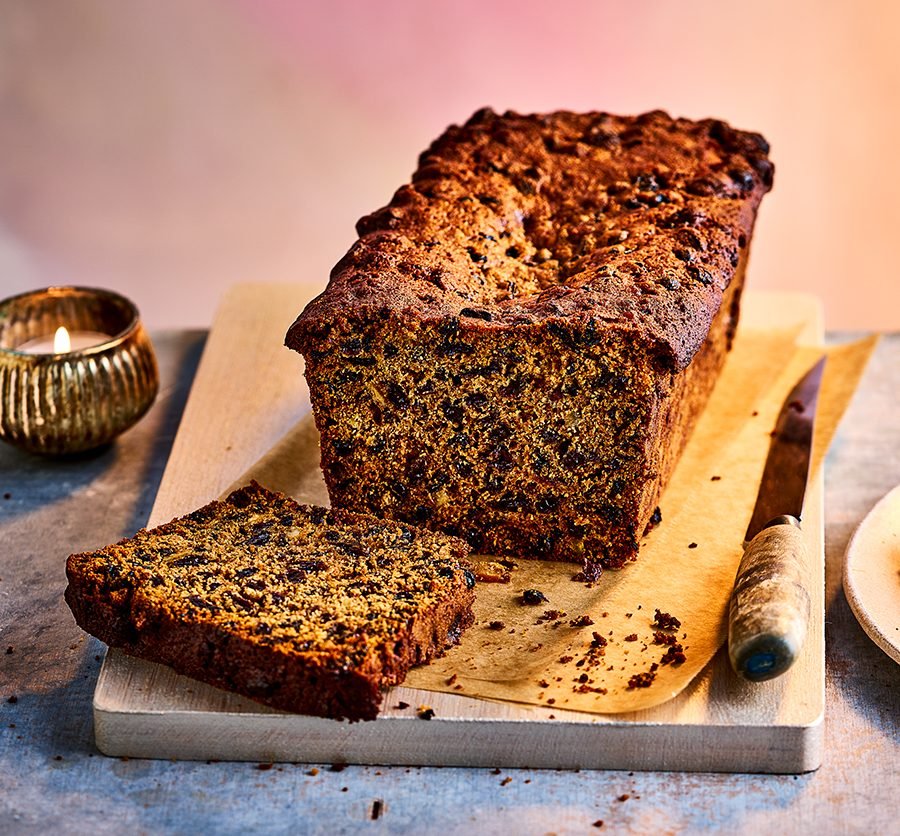
Traditional moist fruit cake is one of the most cherished baked goods in the world, renowned for its deep flavor, rich texture, and wonderful aroma. This recipe brings together dried fruits, aromatic spices, and simple pantry staples to create a dessert that is dense, sweet, and unbelievably delicious. Unlike ordinary sponges that dry out quickly, a well made fruit cake stays soft and moist for weeks or even months when stored correctly. Every slice offers a delightful combination of chewy raisins, sweet candied peel, crunchy nuts, and warm spices that fill your kitchen with an inviting scent. Learning how to make this cake is a wonderful skill because it connects you to generations of home bakers who crafted similar treats for special occasions. It is a slow, thoughtful process that turns basic ingredients into something truly extraordinary.
Many people adore this cake because it evokes warm memories of family gatherings, holiday celebrations, and cozy winter evenings around the table. The deep, warm spices like cinnamon, nutmeg, and cloves instantly create a sense of comfort and nostalgia that few other desserts can match. Each bite is packed with natural sweetness from dried fruits, meaning you get a rich flavor experience without needing excessive amounts of refined frosting. Moreover, food lovers appreciate its incredible shelf life, as the cake actually tastes better after a few days as the flavors merge together. It is also a very versatile recipe, allowing you to swap ingredients based on what you have in your kitchen or what your family prefers. The sheer joy of sharing a homemade slice with loved ones makes all the preparation time feel completely worth it.
You might wonder when is the best time to bake this luscious fruit cake, but the truth is that any day can become a celebration with a slice in hand. Naturally, it shines brightest during festive seasons like Christmas, Thanksgiving, or New Year gatherings where rich desserts are traditional. It is also ideal for milestone celebrations such as weddings, anniversaries, or family reunions because it can be prepared days in advance without losing freshness. From an emotional perspective, baking this cake serves as a comforting ritual that encourages you to slow down, enjoy the baking process, and pamper your senses. From a wellness perspective, dried fruits provide natural iron, fiber, and quick energy, making a small slice a satisfying sweet treat after an active day outdoors.
If you are a beginner in the kitchen, there is no need to feel intimidated by the long history or rich look of this cake. This detailed guide breaks down every step into simple, easy to follow instructions using everyday terms and standard kitchen tools. You do not need any fancy equipment or professional baking expertise to achieve a rich, tender crumb and perfect moisture level. By following a few fundamental techniques, such as soaking your fruits properly and baking slowly at a low temperature, you will produce a stunning loaf that looks like it came from an artisanal bakery. Gather your ingredients, clear your kitchen counter, and get ready to enjoy the deeply satisfying journey of creating a true homemade masterwork.
Ingredients You Will Need
To ensure your cake turns out perfectly moist and full of rich flavor, gather all your ingredients before starting your preparation work. Having everything measured and ready will make your baking experience smooth and stress free.
-
Dark raisins: 2 cups
-
Golden sultanas: 1 cup
-
Dried cranberries or chopped dried cherries: 1 cup
-
Mixed candied citrus peel: half cup
-
Chopped walnuts or almonds: 1 cup
-
Orange juice or apple juice for soaking: 1 cup
-
Unsalted butter at room temperature: 1 cup
-
Dark brown sugar: 1 cup
-
Large eggs at room temperature: 4
-
All purpose flour: 2 cups
-
Ground cinnamon: 1 teaspoon
-
Ground nutmeg: half teaspoon
-
Ground cloves: quarter teaspoon
-
Ground ginger: half teaspoon
-
Baking powder: 1 teaspoon
-
Salt: half teaspoon
-
Pure vanilla extract: 1 teaspoon
-
Zest of 1 fresh orange
-
Zest of 1 fresh lemon
Step by Step Method
Step 1: Soaking the Dried Fruits
Start your baking process at least one day before you intend to bake the cake. Place the dark raisins, golden sultanas, dried cranberries, and mixed candied citrus peel into a large glass bowl. Pour the fresh orange juice or apple juice over the mixed dried fruit. Stir the mixture thoroughly so that every piece of fruit is covered in liquid. Cover the bowl tightly with plastic wrap or a lid and leave it at room temperature for twelve to twenty four hours. Soaking allows the dried fruits to absorb the liquid, plump up, and become juicy, which prevents them from sucking moisture out of the cake batter while baking.
Step 2: Preparing the Baking Pan
When you are ready to bake, prepare a deep eight inch round cake pan or a large loaf pan. Rub a thin layer of butter all over the inside surfaces of the pan. Line the bottom and sides of the pan with thick parchment paper, allowing the paper to stand slightly higher than the rim of the pan. Double lining the pan with parchment paper provides extra protection against intense heat, preventing the outer crust of your fruit cake from burning during the long baking period.
Step 3: Preheating the Oven
Set your oven to a low temperature of 300 degrees Fahrenheit or 150 degrees Celsius. Low and slow heating is the golden rule for fruit cakes because it ensures that the center cooks completely without scorching the sugary dried fruits on the outside. Place your oven rack in the middle position for optimal air circulation.
Step 4: Mixing Dry Ingredients and Spices
In a medium bowl, sift together the all purpose flour, baking powder, salt, ground cinnamon, ground nutmeg, ground cloves, and ground ginger. Sifting removes any lumps and distributes the warm spices evenly throughout the flour. Set this mixture aside for a moment.
Step 5: Creaming Butter and Sugar
In a large mixing bowl, combine the softened unsalted butter and dark brown sugar. Use a hand mixer or wooden spoon to beat the mixture together for about four to five minutes until it looks pale, fluffy, and smooth. Using dark brown sugar is crucial here because it adds a rich molasses flavor and deep brown color to the final cake.
Step 6: Adding Eggs and Aromatics
Add the room temperature eggs to the butter mixture one at a time. Beat well after adding each egg so that the mixture stays smooth and does not separate. Next, stir in the pure vanilla extract, fresh orange zest, and fresh lemon zest. The fresh citrus zests provide a bright, fragrant lift that balances the heavy sweetness of the fruits.
Step 7: Combining Dry and Wet Ingredients
Fold the sifted flour and spice mixture into the wet butter batter in three small batches. Use a spatula to gently fold the ingredients together until just combined. Be careful not to overmix the batter at this point, as gentle handling keeps the cake texture tender rather than dense like bread.
Step 8: Folding in Fruits and Nuts
Pour the soaked dried fruits along with any remaining soaking juice into the batter. Add the chopped walnuts or almonds as well. Fold everything together gently using a large spatula until the fruits and nuts are evenly distributed throughout the thick batter.
Step 9: Filling the Pan and Smoothing
Spoon the thick batter into your prepared cake pan. Use the back of a spoon or a spatula to level the top surface smoothly. Tap the pan gently on your kitchen counter once or twice to release any large air bubbles trapped inside the batter.
Step 10: Baking the Cake Slow and Low
Place the pan into your preheated oven. Bake for approximately two hours to two hours and thirty minutes. Check the cake around the two hour mark by inserting a wooden skewer into the very center. If the skewer comes out clean or with a few moist crumbs, your cake is completely done. If wet batter clings to the skewer, return the cake to the oven for another fifteen to thirty minutes.
Step 11: Cooling and Storing
Remove the cake from the oven and set the pan on a wire cooling rack. Let the cake cool completely inside the pan for at least two hours. Once fully cooled, lift the cake out using the overhang of the parchment paper. Wrap the cool cake tightly in fresh parchment paper followed by a layer of aluminum foil. Keep it in a cool, dark place for at least two days before slicing for the absolute best flavor and moisture.
Why This Recipe Is Special
This traditional moist fruit cake recipe stands out because it balances deep heritage flavors with simple modern techniques. Unlike store bought fruit cakes that can feel dry, overly sweet, or artificial, this homemade version prioritizes natural moisture and high quality ingredients. The long fruit soaking step guarantees that every single bite is succulent and rich, preventing the common problem of dry cake crumbs.
From a nutritional standpoint, this dessert offers more wholesome substance than standard sugary cakes. Dried fruits like raisins and sultanas are packed with dietary fiber, potassium, and beneficial antioxidants. Nuts add healthy fats and protein, which helps slow down sugar absorption and keeps you feeling satisfied. While it remains an indulgent sweet treat, it delivers genuine food value alongside its rich taste.
The flavor profile is complex, perfectly rounded, and deeply satisfying. The dark brown sugar provides a caramel base, while orange and lemon zests bring a refreshing acidity. Warm spices create a cozy warmth that coats the palate without overwhelming the natural fruity taste. It is a wonderful blend of sweet, tangy, nutty, and spicy elements working together in harmony.
Extra Tips for Better Taste
To make your fruit cake even more delicious, consider these creative ideas and helpful baking tips:
-
Feeding the cake: If you want an even deeper flavor, poke small holes in the bottom of the baked cake with a skewer and brush it with extra orange juice every few days before serving.
-
Adding different fruits: Feel free to customize the fruit mix with chopped dried figs, apricots, dates, or prunes based on your personal preference.
-
Toasting the nuts: Toast your walnuts or almonds in a dry pan for five minutes before adding them to the batter to boost their nutty aroma.
-
Keeping it soft: Store the wrapped cake inside an airtight tin with a small slice of fresh apple to maintain supreme soft texture over long periods.
-
Slicing cleanly: Use a sharp serrated bread knife and slice with a gentle sawing motion to get neat, elegant slices without crushing the tender fruit.
Final Thoughts
Baking a traditional moist fruit cake is a delightful culinary experience that rewards your patience with unmatched flavor and comfort. It bridges the gap between old world baking traditions and simple modern home cooking, allowing anyone to create a memorable dessert from scratch. Whether you share this cake with family during holidays, gift a wrapped loaf to a friend, or simply enjoy a slice with afternoon tea, it is sure to bring warm smiles and happy hearts. Take your time, enjoy the soothing process, and celebrate the rich, homemade sweetness in every bite.
Nutrition Details
Here is the nutritional breakdown per serving based on sixteen equal slices.
| Nutrient Category | Amount Per Serving |
| Total Calories | 340 kcal |
| Carbohydrates | 58 grams |
| Dietary Fiber | 4 grams |
| Sugars | 38 grams |
| Total Fat | 12 grams |
| Saturated Fat | 6 grams |
| Protein | 5 grams |
| Sodium | 140 milligrams |
| Potassium | 320 milligrams |
Disclaimer
This article and recipe are provided for general educational and informational purposes only. Everyone has unique dietary requirements, food sensitivities, and medical conditions. The nutritional values listed above are estimates based on standard calculations and may vary based on exact ingredient brands or serving sizes. Always consult a qualified healthcare professional or certified nutritionist for personalized advice regarding your diet, wellness goals, or specific food allergies.