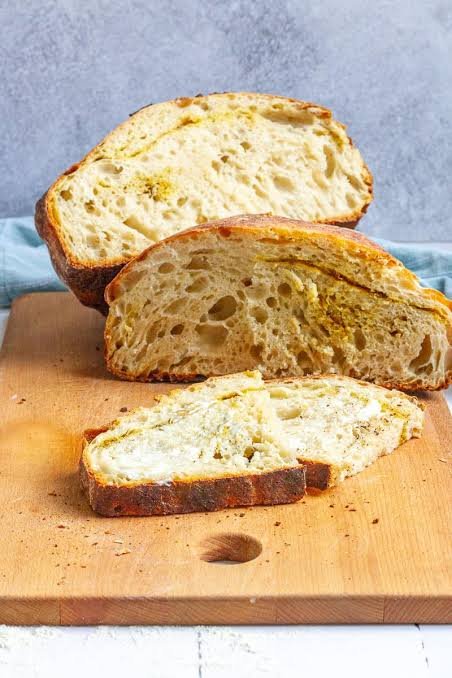
Sourdough bread is one of the most wonderful foods you can bake in your own kitchen at home. This specific recipe combines the classic tang of homemade sourdough starter with the aromatic warmth of fresh rosemary and sweet roasted garlic. When you bake this loaf, your entire house will fill with a cozy, comforting scent that makes everyone feel instantly welcome. The bread features a crisp golden outer crust that crackles when you slice into it, paired with a soft, airy inside that holds melted butter beautifully. Making this recipe allows you to slow down and enjoy the art of traditional baking, transforming basic ingredients like flour, water, and salt into something truly extra special. You do not need to be a professional baker to get amazing results with this loaf because every single step is gentle, straightforward, and easy to follow.
People all over the world fall deeply in love with this fresh bread because it hits every single sensation you could ever want in a comfort food. The earthy taste of freshly chopped rosemary balances perfectly with the rich and nutty flavor of garlic, while the sourdough starter adds a pleasant, subtle tangy kick. Unlike simple white bread bought from a store, this homemade loaf has a rich character and depth that makes every single bite feel like a treat. Families love sharing a loaf during weekend dinners, and kids enjoy helping to mix the simple ingredients in a big bowl. It also feels deeply satisfying to pull a steaming, golden brown loaf out of your oven after watching it slowly rise over many hours. The simple joy of sharing fresh, warm, homemade food with the people you love is one of the biggest reasons this recipe remains a favorite in so many homes.
There are so many great moments and reasons to bake this comforting loaf throughout the entire year. It makes a wonderful side dish for cozy winter soups, rich pasta dinners, or light summer salads enjoyed on the patio. Many people find that baking sourdough works as a fantastic stress relief activity after a long and busy week at work, because kneading and folding the dough encourages you to slow down and focus on the present moment. From a health and fitness viewpoint, natural sourdough is far easier on your stomach than conventional grocery store breads because the slow fermentation process breaks down gluten and phytic acid naturally. This means you can enjoy a delicious slice of fresh carbs without feeling heavy or bloated afterward. Whether you are hosting a holiday dinner for guests or simply want a wholesome snack to boost your mood, this loaf is always a fantastic choice.
Taking the time to bake your own sourdough is a small journey that brings huge rewards to your everyday routine. This particular combination of herbs and garlic turns a basic loaf into a gourmet centerpiece that looks like it came from a high end bakery. Beginners love this recipe because sourdough is very forgiving once you understand the simple rhythm of resting and folding the dough. You do not need any fancy machine or expensive tools to create a magnificent loaf right in your own kitchen. As you practice this recipe, you will build confidence in your baking skills while filling your bread box with real, nourishing food free from unnatural preservatives or artificial ingredients. Get your mixing bowl ready and enjoy every single step of making this golden, aromatic, and deeply satisfying homemade sourdough loaf.
Ingredients You Will Need
To bake this amazing sourdough loaf, you will need to gather the following simple and fresh ingredients:
Four hundred grams of active sourdough starter that has been fed and is bubbly
Five hundred grams of unbleached bread flour for strong gluten structure
Three hundred and fifty milliliters of lukewarm filtered water
Ten grams of fine sea salt or kosher salt
Four cloves of fresh garlic, finely minced or roasted
Two tablespoons of fresh rosemary leaves, finely chopped
Two tablespoons of extra virgin olive oil for roasting and dough moisture
One extra tablespoon of coarse sea salt for sprinkling on top before baking
Step by Step Method
Step One: Preparing the Starter and Water
Make sure your sourdough starter is fully active, bubbly, and passes the float test in a small bowl of water. In a large glass or ceramic mixing bowl, combine the lukewarm filtered water with your active sourdough starter. Use a wooden spoon or your clean fingers to mix them together until the starter completely dissolves into a milky liquid.
Step Two: Mixing the Main Dough
Add the unbleached bread flour into the bowl with the water and starter mixture. Stir well with your wooden spoon or a dough whisk until all the flour is fully hydrated and no dry spots remain in the bowl. The dough will look very shaggy and rough at this stage, which is completely normal for sourdough baking. Cover the bowl loosely with a damp kitchen towel and let it rest undisturbed for thirty minutes. This rest period is called the autolyse phase and helps the flour absorb the water deeply.
Step Three: Adding Salt and Olive Oil
After the thirty minute rest, sprinkle the fine sea salt and one tablespoon of extra virgin olive oil over the surface of your shaggy dough. Gently dimple your fingers into the dough to push the salt and oil into the center. Grab an edge of the dough, stretch it upwards gently, and fold it over the middle. Repeat this stretch and fold technique around all four sides of the bowl until the salt and oil are completely worked into the dough.
Step Four: Preparing the Rosemary and Garlic
While your dough rests again, prepare your fresh ingredients. Warm one tablespoon of extra virgin olive oil in a small skillet over low heat. Add the minced garlic and chopped fresh rosemary to the warm oil. Cook gently for about two to three minutes until the garlic becomes fragrant and lightly soft, being very careful not to burn it. Remove the skillet from the stove heat and let the rosemary garlic oil cool down completely to room temperature.
Step Five: Lamination and Incorporating Flavors
Uncover your dough bowl and gently perform a stretch and fold. Spread the cooled rosemary and garlic mixture evenly across the top surface of the dough. Pull one side of the dough up long and fold it over the center, trapping some garlic and herbs inside. Turn the bowl ninety degrees and repeat this stretch and fold process several times until the rosemary and garlic are evenly distributed throughout the entire dough ball.
Step Six: The Bulk Fermentation Process
Cover your bowl tightly with plastic wrap or a wet cloth to keep the dough surface from drying out. Place the bowl in a warm place in your kitchen, away from cold drafts. Let the dough rise during bulk fermentation for about four to six hours, depending on the temperature of your home. You will know it is ready when the dough increases in volume by roughly fifty percent, shows small air bubbles on the surface, and feels light and airy to the touch.
Step Seven: Shaping Your Loaf
Gently tip the fermented dough out onto a lightly floured kitchen counter. Be soft with your hands so you do not pop all the lovely air bubbles inside. Gently stretch the dough into a flat rectangle shape. Fold the left third of the dough toward the center, then fold the right third over it like a letter. Roll the dough up tightly from top to bottom into a round ball shape. Place your hands behind the dough ball and pull it toward yourself to create light outer surface tension.
Step Eight: The Final Proofing Phase
Dust a proofing basket or a medium bowl lined with a clean cotton kitchen towel using plenty of rice flour or bread flour. Carefully lift your shaped dough ball and place it upside down into the lined basket, so the smooth top rests at the bottom. Cover the basket with a clean towel and let it sit at room temperature for one hour. After one hour, place the entire basket into your refrigerator for a cold proof lasting eight to twelve hours, which builds fantastic flavor.
Step Nine: Scoring and Baking
Preheat your oven to four hundred and fifty degrees Fahrenheit with a heavy Dutch oven pot inside for at least forty minutes. Carefully remove the hot Dutch oven using thick oven mitts and dust the inside bottom with a little cornmeal or flour. Gently flip your cold dough out onto a piece of parchment paper. Use a sharp razor or kitchen knife to cut a long, clean slice across the top of the dough ball. Lift the parchment paper with the dough into the hot pot, cover with the lid, and bake for twenty minutes.
Step Ten: Finishing the Crust
After twenty minutes of covered baking, carefully remove the Dutch oven lid. You will see your bread has puffed up beautifully inside the pot. Reduce your oven temperature to four hundred and twenty five degrees Fahrenheit. Continue baking uncovered for another twenty to twenty five minutes until the outer crust turns a deep, gorgeous golden mahogany brown. Remove the loaf from the pot carefully and place it on a wire rack to cool down completely for at least two hours before slicing.
Why This Recipe Is Special
This sourdough rosemary garlic bread recipe stands out because it combines incredible restaurant quality taste with real health benefits for your body. Natural sourdough fermentation uses wild yeast and good bacteria, which slowly break down complex carbohydrates and proteins in the flour. This process makes the finished bread significantly easier to digest compared to fast rising yeast breads, making it a great option for people who usually feel heavy after eating wheat products. The natural acids produced during long fermentation also lower the glycemic index of the bread, which helps prevent sudden blood sugar spikes after meals.
Additionally, fresh rosemary and garlic are not just delicious flavorings, they are packed with health promoting nutrients. Garlic contains natural compounds like allicin, which support a healthy immune system and promote heart health. Fresh rosemary provides wonderful antioxidants that protect your cells and reduce inflammation in the body. Beyond the physical health perks, the taste and texture of this loaf are unmatched. The contrast between the crunchy, blistered crust and the soft, open inner crumb creates a mouthwatering experience that makes eating homemade sourdough a true joy every single time.
Extra Tips for Better Taste
Use Fresh Herbs
Always choose fresh rosemary sprigs over dried herbs whenever possible. Fresh rosemary contains natural aromatic oils that give your bread a bright, pine like fragrance and a far superior taste.
Roast Your Garlic
If you want a sweeter and milder garlic flavor, roast whole garlic cloves in the oven until they are soft like butter before adding them to your dough. Roasted garlic blends seamlessly into the crumb without any sharp raw bite.
Use Rice Flour for Proofing
Dusting your proofing towel or basket with rice flour prevents the wet dough from sticking to the fabric. Rice flour contains no gluten, so it will not absorb water or stick to your dough surface.
Master the Cold Fermentation
Do not skip the cold proofing step in the refrigerator overnight. Leaving the dough in a chilly environment slows down the yeast while letting good bacteria create a deeper, richer sour flavor and better crust texture.
Wait Before Slicing
Resist the strong temptation to slice into your hot loaf as soon as it leaves the oven. The inside of the bread continues cooking with trapped steam, and cutting it too early will make the interior gummy and dense.
Final Thoughts
Baking your own sourdough rosemary garlic bread at home is a deeply rewarding experience that satisfies both your appetite and your creative spirit. With just a handful of basic ingredients and a bit of patience, you can make a stunning loaf that brings genuine happiness to your kitchen table. Share a warm slice with family, serve it alongside a steaming bowl of soup, or simply enjoy it plain with a thick smear of salted butter. Enjoy every step of the process, keep practicing your folding skills, and happy baking to you.
Nutrition Details
Here is the estimated nutritional information for one slice of sourdough rosemary garlic bread, based on a total yield of twelve slices per loaf:
| Nutrient Category | Amount Per Serving |
| Total Calories | 185 kcal |
| Carbohydrates | 36 g |
| Dietary Fiber | 2 g |
| Total Sugars | 0.5 g |
| Protein | 6 g |
| Total Fat | 2.5 g |
| Saturated Fat | 0.4 g |
| Sodium | 320 mg |
| Potassium | 75 mg |
| Iron | 1.8 mg |
Disclaimer
Please remember that everyone has a unique body and distinct dietary requirements. Nutritional values provided in this article are estimations based on standard ingredient calculations and may change depending on the exact brands or ingredient proportions you use at home. Sourdough bread contains natural gluten and may not be suitable for individuals with celiac disease or severe wheat allergies. Always listen to your body and consult with a qualified healthcare provider or registered dietitian if you have specific health concerns or food restrictions.