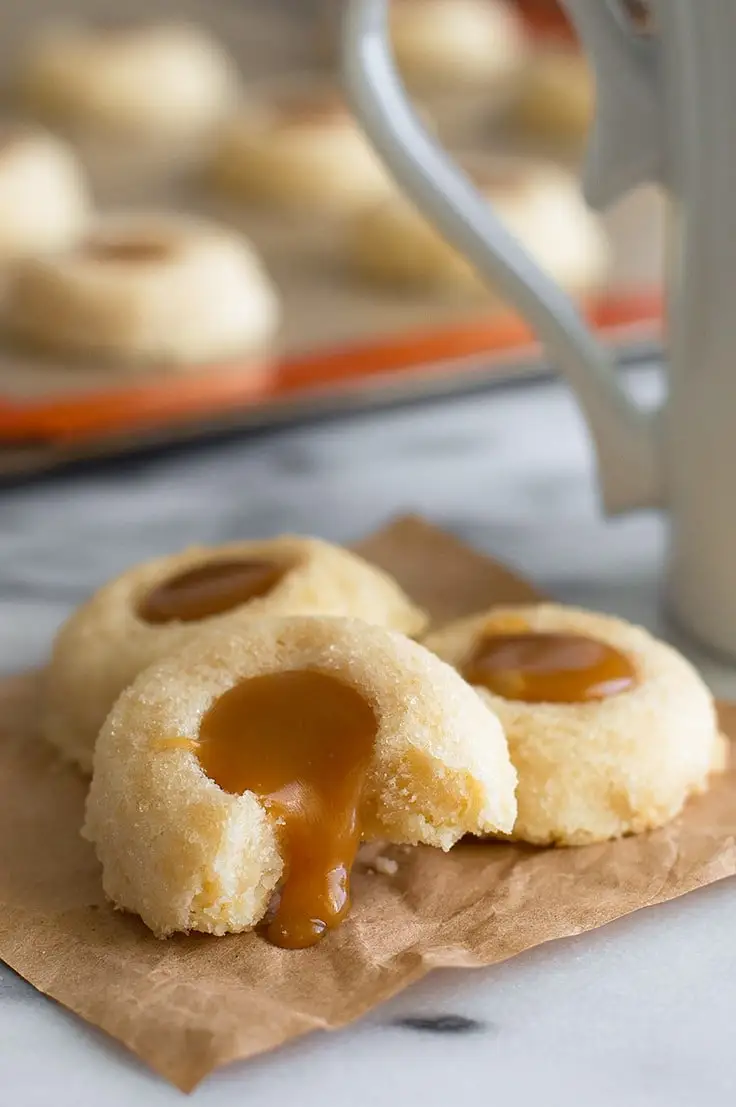
Baking at home brings a special kind of warmth into the kitchen that few other activities can match. Butterscotch shortbread cookies are a wonderful treat that combines the classic rich butter cookie base with sweet golden butterscotch morsels. When you combine simple basic kitchen ingredients like fresh butter, fine sugar, and good flour, something magical happens in your oven. Shortbread itself is an ancient traditional Scottish style of baking known for its crumbly structure and buttery aroma. By adding rich butterscotch chips to this time honored dough, you create a treat that is both familiar and exciting for everyone. The soft crunch when you take your first bite leads into a smooth caramel like sweetness that melts slowly on your tongue. This article will guide you through every single part of making these delicious cookies right in your own kitchen with complete confidence. Even if you have never baked anything from scratch before, this guide will walk you through each step using extremely easy terms and clear instructions. You do not need any fancy appliances or expert pastry skills to achieve baker quality results at home today. By the time you finish reading, you will understand the secrets to making perfect golden butterscotch shortbread cookies every time you turn on your oven.
People around the world love butterscotch shortbread cookies because they hit every perfect note of comfort food sweetness. The texture is what truly sets them apart from ordinary soft batch cookies or simple sugar treats. They have a delicate crumbly feel that dissolves effortlessly while delivering a deep cooked sugar and rich butter taste. Kids love the sweet surprise of melted butterscotch chips scattered through every single bite, while adults appreciate the classic elegance of a well baked shortbread crust. These cookies are not overly fluffy or overly sticky, which makes them ideal for packing in lunch boxes or serving on pretty dessert trays. Another big reason people fall in love with this recipe is how incredible your home smells while they bake in the oven. The sweet aroma of warm butter and melting brown sugar fills every room with a cozy feeling that welcomes everyone inside. These cookies also stay fresh for many days when stored properly in an airtight container on your counter. You can make a double batch over the weekend and enjoy rich sweet treats throughout the busy work week without losing any quality. It is a reliable crowd pleaser that brings big smiles to guests of all ages whenever you serve it.
There are so many wonderful moments in life that become even better when shared over a fresh plate of warm cookies. You might want to bake these butterscotch shortbread treats on a chilly rainy afternoon when you want your house to feel extra warm and cozy. They are perfect for holiday parties, family gatherings, neighborhood cookie swaps, or casual weekend tea time with your closest friends. From an emotional perspective, baking these simple cookies provides a calm relaxing break from the busy stress of daily life. Mixing dough by hand and shaping cookies gives you a quiet mindful activity that helps you unwind after a long chaotic week. While shortbread is certainly a sweet treat, making it from scratch puts you in complete control of every single wholesome ingredient. You avoid all artificial preservatives, hydrogenated oils, and unnecessary chemical additives often found in store bought packaged snacks. If you are watching your health or following a balanced fitness routine, enjoying a homemade cookie made with real whole ingredients fits wonderfully into a sensible diet plan. You can easily control your portion sizes, choose high quality organic butter, or substitute unrefined sugars if you prefer. Sharing a homemade treat with people you love creates warm happy memories that last long after the last sweet crumb is gone.
Before you jump straight into the kitchen, taking a few minutes to understand the basic preparation flow will ensure complete success. Shortbread dough is unique because it relies on the proper balance of fat and flour rather than eggs or rising agents like baking powder. Because there are no eggs or baking soda in this traditional dough, the magic comes entirely from whipping your butter properly and chilling your dough before baking. Chilling the dough allows the butter to firm up so your cookies hold their beautiful crisp shape while rising slightly in the hot oven. In this comprehensive guide, we will break down every part of the process into simple beginner friendly steps that require zero special baking experience. You will learn how to select the best ingredients, how to cream your butter and sugar to ideal softness, and how to slice your cookies for perfect uniformity. We will also discuss how to bake them to that glowing golden shade where the edges are crisp and the centers remain tender. Whether you plan to bake these for a festive holiday event or just as a sweet reward for your family tonight, you are about to master a classic dessert. Get your mixing bowl ready, turn on your oven, and let us explore the delightful journey of baking butterscotch shortbread cookies.
Ingredients You Will Need
To bake the best butterscotch shortbread cookies, you only need a few simple pantry staples. Using fresh and high quality ingredients will make a massive difference in the final taste and texture of your baked goods. Here is the complete list of everything you need to gather on your kitchen counter before starting:
-
Unsalted Butter: 1 cup (225 grams or 2 full sticks), softened at room temperature
-
Powdered Sugar: 0.5 cup (60 grams), sifted to remove any lumps
-
Granulated White Sugar: 0.25 cup (50 grams)
-
Pure Vanilla Extract: 1 teaspoon (5 milliliters)
-
Fine Sea Salt: 0.5 teaspoon (2.5 grams)
-
All Purpose Flour: 2 cups (240 grams), spooned and leveled gently
-
Butterscotch Chips: 1 cup (170 grams), whole or roughly chopped into small bits
-
Optional Brown Sugar: 2 tablespoons (25 grams) for extra caramel flavor depth
Understanding how each ingredient works will help you become a better baker. Unsalted butter forms the main structure of shortbread. Since shortbread relies heavily on butter flavor, choosing a good European style or grass fed butter will produce an extraordinarily rich flavor. Make sure your butter is soft enough that your finger leaves an imprint when pressed gently, but not warm enough that it turns oily or melted.
The combination of powdered sugar and granulated white sugar gives this cookie its signature texture. Powdered sugar dissolves quickly into the butter, creating that famous melt in your mouth crumb. Granulated sugar adds just enough structure and light crunch to keep the cookie from crumbling too easily when picked up.
Pure vanilla extract enhances the natural creaminess of the butter, while fine sea salt balances the intense sweetness of the butterscotch chips. Using all purpose flour keeps the dough sturdy while maintaining lightness. When measuring your flour, always spoon it loosely into your measuring cup and sweep off the top with a flat knife. Never scoop flour directly with the cup, because packed flour makes cookies heavy and dry.
Finally, butterscotch chips bring bright golden bursts of rich brown sugar and creamy butter flavor to every slice. You can use standard size butterscotch morsels, or you can chop them slightly so they distribute evenly throughout the entire dough log.
Step by Step Method
Follow these easy detailed instructions to prepare, shape, and bake your homemade butterscotch shortbread cookies to perfection.
-
Prepare Your Baking Station Start by clearing a clean workstation on your kitchen counter. Line two large baking sheets with parchment paper or silicone baking mats. Setting up parchment paper prevents the cookies from sticking to the pan and ensures even heat distribution on the bottom of each cookie.
-
Soften and Cream the Butter Place your 1 cup of softened unsalted butter into a large mixing bowl. Using an electric hand mixer or a stand mixer fitted with a paddle attachment, beat the butter on medium speed for about two full minutes. The butter should look smooth, creamy, and pale yellow. Creaming the butter properly incorporates air, which helps give shortbread its delicate lighter texture.
-
Add the Sugars and Vanilla Extract Sift 0.5 cup of powdered sugar into the bowl with the creamed butter, then add 0.25 cup of granulated white sugar. Pour in 1 teaspoon of pure vanilla extract and 0.5 teaspoon of fine sea salt. Mix on low speed at first so the powdered sugar does not fly out of the bowl, then increase speed to medium for another two minutes until the mixture is fully combined, fluffy, and smooth.
-
Incorporate the All Purpose Flour Turn off your mixer and add 2 cups of all purpose flour into the bowl. Mix on the lowest speed setting just until the flour disappears into the butter mixture. Be careful not to overmix the dough at this stage. Overworking flour develops gluten, which can make your shortbread tough instead of crumbly and soft. The dough may look slightly sandy or clumpy at first, which is completely normal.
-
Fold in the Butterscotch Chips Pour 1 cup of butterscotch chips into the dough bowl. Use a sturdy silicone spatula or your clean hands to gently fold the butterscotch chips throughout the dough. Knead the dough gently inside the bowl a few times until it forms a cohesive single mass that pulls away from the sides of the bowl easily.
-
Shape the Dough Log Divide your dough into two equal portions. Place one portion onto a sheet of plastic wrap or wax paper. Use your hands to press and roll the dough into a smooth cylinder or log shape about two inches in diameter. Wrap the plastic wrap tightly around the log, twisting the ends securely. Repeat this process with the second half of the dough.
-
Chill the Dough Completely Place both wrapped dough logs into your refrigerator for at least two hours, or overnight if you are preparing in advance. Chilling is a vital step because it allows the butter to solidify again. Cold dough prevents the cookies from spreading out too thin and flat while baking in the hot oven.
-
Slice the Cookie Rounds When you are ready to bake, preheat your oven to 350 degrees Fahrenheit (175 degrees Celsius). Take one dough log out of the refrigerator and unwrap it carefully. Place the log on a cutting board. Use a sharp chef knife to slice the log into rounds that are about one quarter inch to one half inch thick. Arrange the sliced rounds on your prepared baking sheet, leaving about one inch of space between each cookie.
-
Bake to Light Golden Color Place the baking sheet into the center rack of your preheated oven. Bake for twelve to fifteen minutes. Keep a close eye on them during the final minutes. The cookies are done when the bottoms and edges turn a light golden color while the tops remain pale and soft.
-
Cool and Enjoy Remove the baking sheet from the oven and let the cookies rest on the warm sheet for five minutes. Shortbread is very soft when hot and can break if moved right away. After five minutes, use a spatula to transfer the cookies onto a wire cooling rack to cool completely. The cookies will firm up as they cool down to room temperature.
Why This Recipe Is Special
This butterscotch shortbread recipe stands out for many reasons that appeal to both total beginners and seasoned home bakers. First and foremost is its amazing simplicity. You do not need complex equipment or rare ingredients to whip up a fresh batch. Everything can be made using standard kitchen tools that you likely already own in your cupboards.
Another reason this recipe is special is its egg free nature. Traditional shortbread relies entirely on butter for structure and moisture, making it a fantastic option for anyone who has egg allergies or dietary restrictions regarding eggs. The high butter content creates a rich texture that simply cannot be matched by standard drop cookies.
The flavor profile is uniquely balanced. While many store bought cookies can feel overwhelming with artificial sweetness, homemade shortbread has a subtle savory undertone from the butter and sea salt. This cuts through the sweet, intense caramel notes of the butterscotch morsels, giving you a balanced treat that never feels cloying.
Additionally, this dough is incredibly forgiving and versatile. You can make the dough logs ahead of time and keep them in your freezer for up to three months. Whenever unannounced guests drop by or you crave a sweet late night treat, you can simply slice off a few frozen rounds and bake them fresh in minutes without planning ahead.
From a health and wellness perspective, baking at home allows you to take full ownership of your nutrition. You know exactly how much sugar, butter, and flour goes into every bite. There are no hidden artificial chemicals, synthetic food dyes, or chemical preservatives required to keep these cookies tasting fresh and delicious.
Extra Tips for Better Taste
If you want to elevate your butterscotch shortbread cookies from great to extraordinary, try incorporating these creative baking secrets:
-
Toast Your Flour Slightly: Before making the dough, spread your flour on a baking sheet and bake it at 300 degrees Fahrenheit for eight minutes. Let it cool completely. Toasting flour removes raw cereal taste and adds a subtle nutty flavor note.
-
Use Browned Butter: Melt half of your butter in a saucepan over medium heat until it foams and turns a deep golden brown color with a nutty aroma. Cool it back down to a soft solid state before creaming. Browned butter amplifies the rich butterscotch profile immensely.
-
Add a Pinch of Cinnamon: A tiny pinch of ground cinnamon added along with the salt enhances the warm caramel notes of the butterscotch chips without overpowering the main flavor.
-
Sprinkle Flaky Sea Salt on Top: Right after taking the hot cookies out of the oven, sprinkle a tiny pinch of flaky Maldon sea salt on top of each cookie. The salt crystals accentuate the butterscotch sweetness.
-
Chop Your Butterscotch Chips: Instead of using whole morsels, chop half of your butterscotch chips into tiny fragments. Small butterscotch bits disperse evenly throughout every millimeter of dough, ensuring consistent flavor in every bite.
-
Dip in Dark Chocolate: Once your baked cookies are completely cool, dip half of each cookie into melted dark chocolate and let it set on parchment paper. The slightly bitter dark chocolate pairs exceptionally well with sweet butterscotch.
Final Thoughts
Baking butterscotch shortbread cookies is one of the most rewarding simple pleasures you can enjoy in your home kitchen. The process is easy, fun, and relaxing, while the delicious rewards speak for themselves. With crisp golden edges, a delicate melt in your mouth texture, and sweet bursts of butterscotch in every bite, these cookies are bound to become a staple treat in your home recipe collection. Share them with family, pack them for friends, or enjoy them quietly with a hot cup of tea or fresh coffee on a quiet morning. Happy baking!
Nutrition Details
Here is the nutritional breakdown for this recipe based on a total yield of 24 standard cookies.
| Nutritional Component | Value Per Serving (1 Cookie) | Value For Full Recipe Batch (24 Cookies) | | * | * | * | | Total Calories | 145 kcal | 3480 kcal | | Total Fat | 8.5 grams | 204 grams | | Saturated Fat | 5.2 grams | 124.8 grams | | Cholesterol | 20 milligrams | 480 milligrams | | Sodium | 65 milligrams | 1560 milligrams | | Total Carbohydrates | 16 grams | 384 grams | | Dietary Fiber | 0.4 grams | 9.6 grams | | Total Sugars | 8.5 grams | 204 grams | | Protein | 1.2 grams | 28.8 grams | | Calcium | 12 milligrams | 288 milligrams | | Iron | 0.5 milligrams | 12 milligrams |
Note that exact nutritional numbers may vary slightly depending on the specific brand of butter, butterscotch chips, or flour you purchase at your local grocery store.
Disclaimer
This article is provided for general informational, educational, and culinary enjoyment purposes only. Nutritional calculations provided above are estimates calculated using standard nutritional databases. Everyone has unique metabolic needs, dietary restrictions, and physical requirements. Results from recipes and dietary intake may vary from person to person depending on individual body composition, health status, activity levels, and ingredient choices. Always consult with a qualified health professional or registered dietitian if you have specific dietary needs, severe food allergies, or medical health concerns.