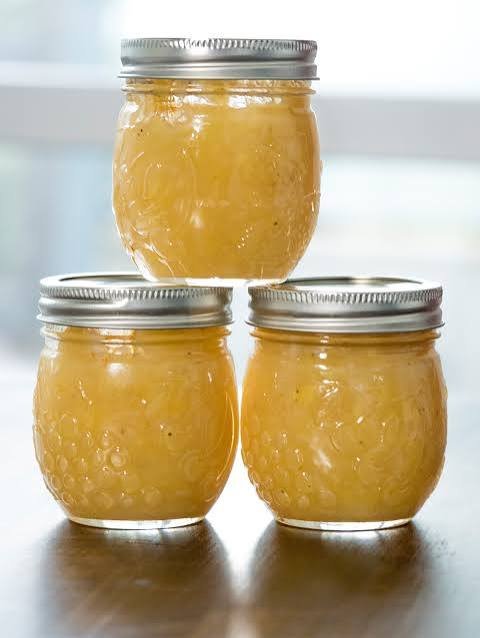
Monkey butter is a very popular sweet fruit spread that brings together the rich flavors of sweet bananas, juicy pineapple, coconut, and freshly squeezed lemon juice. If you have ever wondered what happens when you combine creamy tropical fruits together in one small pot, this delightful spread is your answer. It is a soft, jam like mix that tastes like a sunny vacation in a jar and can be easily stored for a long time. Unlike traditional berry jams that require specific technical pectin powders, this unique blend naturally turns thick as it simmers gently on your warm stove top. Home cooks and canning beginners love this recipe because it is very forgiving, easy to make, and turns inexpensive shelf stable ingredients into a luxurious morning treat. It brings a bright pop of tropical sunshine into your cozy kitchen no matter what season or weather it is outside.
People from all over the world absolutely adore monkey butter because its deep flavor profile appeals to kids and adults alike. Bananas offer a rich and naturally comforting sweetness while pineapple introduces a tangy brightness that perfectly cuts through the heavy creaminess. The coconut adds a wonderful soft chew and a pleasant aroma that makes your whole home smell like an exotic warm bakery. Because this jam is so smooth and fruity, it can transform simple slices of morning toast, plain pancakes, or dry biscuits into an extraordinary breakfast experience. Many families love making this treat because it brings pure happiness to the breakfast table without requiring any complicated culinary techniques or fancy expensive equipment. It is also a fantastic way to rescue overripe bananas that are sitting on your kitchen counter before they turn dark and spoil completely.
Making your own canned fruit spread at home connects you with wonderful feelings of warmth, nostalgia, and personal reward. There is something deeply satisfying about looking at a quiet shelf lined with clear glass jars filled with colorful food you preserved with your own hands. You might choose to whip up a large batch of this golden spread during chilly autumn months to capture warm summer memories, or during early spring when you want a fresh tropical boost. It is also an amazingly thoughtful homemade gift for friendly neighbors, beloved teachers, or dear family members during special holiday celebrations. On a physical level, this spread offers a wonderful source of natural energy from whole fruit sources without any artificial colors, high fructose corn syrup, or strange lab chemical preservatives.
If you are looking for an easy way to fuel your active mornings, this delicious fruit combination provides quick carbohydrates along with helpful vitamins. Fitness enthusiasts often enjoy spreading a light spoon of this golden treat over hearty whole grain toast or mixing it directly into hot morning oatmeal before a busy day or an intense workout. The natural sugars found in ripe yellow fruit supply your muscles with ready fuel while providing a truly satisfying sweet fix that keeps you away from processed junk food. Canning this jam yourself means you can easily control every single bit of sugar that enters your pot, tailoring the final balance to your personal wellness preferences. Whether you want to preserve a rich surplus of farm fruit or simply try out a playful creative activity on a quiet weekend afternoon, learning how to make this fruit preserve will bring immense satisfaction to your cooking journey.
Ingredients You Will Need
To prepare a batch of tasty monkey butter spread, gather the following simple ingredients:
- 5 cups of sweet yellow bananas, peeled and sliced into small rounded pieces (you will need about 5 or 6 large ripe bananas)
- 1 can of crushed pineapple in natural fruit juice, un-drained, measuring 20 ounces or about 2.5 cups total
- 1 can of heavy pineapple chunks, un-drained, measuring 15 ounces or about 1.8 cups total
- 1 cup of sweetened flaked coconut or dry unsweetened coconut shreds depending on your taste preference
- 3 tablespoons of fresh squeezed lemon juice or bottled pure lemon juice concentrate
- 3 cups of white granulated sugar (you can adjust slightly lower if your fruit is extremely sweet)
Step by Step Method
Step 1: Preparing Your Kitchen Tools and Glass Jars
Before you turn on the stove flame, make sure all your cooking supplies and glass jars are completely ready to go. Wash 5 or 6 half pint glass canning jars in warm soapy tap water and rinse them thoroughly. Inspect each jar rim to make sure there are no small chips, cracks, or sharp rough edges anywhere. Place your clean jars standing upright inside a large canning pot, fill the pot with clean water until the jars are fully covered, and bring it to a gentle boil for at least 10 minutes to sanitize them. Place your flat metal jar lids in a shallow bowl of warm water to soften the rubber sealing rings. Clean your counter space thoroughly and place a soft dry kitchen towel down where you can set your warm filled jars later on. Having a clean ladle, a jar funnel, and a damp rag nearby will make the canning process feel very calm and super organized.
Step 2: Preparing the Tropical Fruits
Take your ripe yellow bananas and carefully peel away all the skin and white outer strings. Place the bananas on a clean cutting board and slice them into thin round coins. If you prefer a very smooth texture in your finished preserve, you can use a hand potato masher to break the banana coins down into a thick chunky mash inside a large mixing bowl. Open your cans of crushed pineapple and pineapple chunks, but do not drain away any of the natural juice because that sweet juice helps dissolve the sugar completely. Pour both the crushed pineapple and the full pineapple chunks into your big heavy bottomed soup pot. Add your sliced or mashed bananas into the same pot along with the shredded coconut flakes. Pour the fresh lemon juice over top of the mixed fruits to keep the sweet bananas bright and yellow.
Step 3: Mixing and Cooking the Base
Add the white granulated sugar into the pot on top of your mixed fruit pieces. Stir all the ingredients together thoroughly using a long wooden spoon or heat resistant silicone spatula until the dry sugar looks damp and fully integrated. Place your heavy pot over medium heat on your stove top burner. Continue to stir the mixture frequently as it slowly warms up so that the sugar melts evenly and does not scorch against the bottom of your hot pot. As the pot heats up, the solid fruit pieces will release their remaining natural liquids and begin to bubble nicely. Bring the entire pot up to a full rolling boil that keeps bubbling even while you stir the fruit mix.
Step 4: Simmering to a Thick Consistency
Once your fruit pot reaches a solid boil, turn your stove flame down low so the sweet liquid stays at a gentle steady simmer. Stir the pot almost constantly, making sure to scrape around the bottom corners of the pot where dense sugar can stick and burn quickly. Let the tropical fruit mix simmer uncovered for about 20 minutes to 25 minutes. During this warm simmer time, the banana slices will break down smoothly, the pineapple chunks will soften up, and the coconut will absorb the rich sweet syrup. You will notice the whole color of the mixture transform from a light pale yellow to a deep golden amber hue. To test if your spread is thick enough, spoon a small dab onto a cold plate from your freezer; if it holds its soft rounded shape without runny juice weeping out, your spread is ready.
Step 5: Filling Your Sanitize Canning Jars
Carefully lift your warm sanitized glass jars out of the hot water pot using sturdy jar tongs, letting any trapped water drain back out into the pot. Set the warm empty jars side by side on your soft kitchen towel. Place your wide mouth jar funnel into the top of the first warm glass jar. Use a metal ladle to scoop up the hot bubbling monkey butter and pour it gently into your jar, leaving about one half inch of empty space at the top rim of the jar. This tiny gap of empty air space is called headspace, and it is very essential for forming a vacuum seal during the cooling process. Repeat this filling step with each of your remaining glass jars.
Step 6: Cleaning the Rims and Applying Lids
Take a clean damp cloth or fresh paper towel dipped in warm water and carefully wipe off the top rim and outer glass threads of every filled jar. Any sticky sugar drop or tiny piece of coconut left on the glass rim could stop the metal lid from sealing tightly later on. Take a warm flat lid out of your warm water bowl and center it neatly over the top of each clean jar rim. Place a screw band over the metal lid and twist it down with your fingers just until it feels comfortably snug. Do not overtighten the bands using full hand strength, because air bubbles need to escape easily from inside the jar while it sits in the hot bath processor.
Step 7: Water Bath Preserving
Place your filled and capped jars back into your large canning pot using your jar lifter tool, making sure the jars sit upright and do not touch each other directly. Ensure there is at least one inch of extra hot water covering over the absolute tops of all the metal jar lids. Put the heavy lid on your canning pot and turn the stove burner up high until the water reaches a strong rolling boil. Keep the water boiling steadily for 10 full minutes to properly process your jam jars. If you live at a high elevation far above sea level, you may need to add a few extra minutes to this boiling processing step according to general canning guidelines.
Step 8: Cooling and Checking the Jar Seals
When the boiling time is finished, turn off the stove burner and remove the canning pot lid carefully, keeping the hot steam away from your face. Let the jars settle in the quiet hot bath for about 5 minutes before moving them. Use your jar tongs to gently lift each hot jar straight up out of the water bath without tilting them side to side. Set the hot jars down on a soft dry towel in a quiet warm spot where they can cool undisturbed for 24 full hours. As the jars cool down on your counter, you will likely hear a delightful clear popping or pinging sound, which means the vacuum seal has worked successfully. After a full day of resting, press down gently on the center of each metal lid; if the lid stays flat and does not spring up or down, your jar is safely sealed and ready for long term storage in a cool dark pantry.
Why This Recipe Is Special
This delightful tropical preserve stands out among everyday jam recipes because it offers an unusually rich flavor profile and a remarkably easy preparation process. Traditional jam making usually requires purchasing costly boxes of commercial pectin, precise balance testing, or long hours of boiling down basic fruit juices. Monkey butter bypasses those complicated steps by relying on the natural body of rich mashed bananas and shredded coconut to build a thick luxurious consistency. It combines bright acidity and rich sweetness into one harmonious jar, making it far more dynamic than plain strawberry jam or classic grape jelly.
From a lifestyle and practical perspective, this recipe is a wonderful way to reduce domestic food waste while creating something truly delicious for your home. Bananas often go soft and brown very quickly on kitchen counters, leading many people to throw them away unnecessarily. Turning those extra soft bananas into long lasting shelf stable fruit spread saves money while providing your household with quick, satisfying homemade breakfasts. The ingredients used in this recipe are also widely available at almost any grocery store year round, meaning you can enjoy this fun kitchen project during warm summer weekends or quiet winter afternoons alike.
Furthermore, making your preserves at home puts you in total control of what your family eats. Commercial spreads bought from large grocery store chains are frequently loaded with artificial food colorings, synthetic flavoring agents, chemical stabilizers, and high quantities of inexpensive corn syrup solids. This homemade tropical spread relies strictly on real fruit, simple white sugar, and fresh lemon juice. You get a clean, honest product that delivers genuine tropical fruit flavor in every single bite, along with small amounts of dietary potassium, vitamin C, and dietary fiber from whole fruit ingredients.
Extra Tips for Better Taste
- Use extremely ripe bananas that have plenty of small dark brown spots on their yellow skins for the richest flavor and maximum natural sweetness.
- Add half a teaspoon of pure vanilla extract or ground cinnamon near the end of the cooking process to add a lovely warm bakery aroma.
- Mix in a quarter cup of chopped roasted macadamia nuts or chopped pecans right before filling jars if you love a crunchy texture in your spread.
- Use unsweetened coconut flakes if you prefer a slightly less sweet jam that allows the natural pineapple acidity to shine brighter.
- Toast your shredded coconut in a dry pan for a few minutes before adding it into the pot to bring out a deeper nutty flavor.
- Swap out two tablespoons of white sugar for rich brown sugar to introduce a delicious subtle caramel background note to your spread.
- Try adding a tablespoon of dark rum during the final minutes of simmering if you want an adult twist for special gift jars.
- Always use a thick heavy bottomed pot to cook this recipe because sweet banana purees tend to sink down and burn easily on thin pots.
Final Thoughts
Making a batch of homemade canned monkey butter is one of the most fun and rewarding kitchen projects any home cook can experience. It takes basic budget friendly fruits and turns them into a shiny golden preserve that lights up simple morning meals, warm baked goods, and cozy family breakfasts. By following these easy instructions carefully, you can safely stock your pantry shelves with delicious jars of tropical sunshine that will last for months. Share a jar with a good friend or open one up on a rainy morning to bring an immediate smile to your face. Enjoy every step of the process, from stirring the sweet bubbling pot to hearing that final satisfying pop of a well sealed jar.
Nutrition Details
Here is the estimated nutritional breakdown for a batch of homemade monkey butter as well as per standard serving size:
| Nutrient | Full Batch Total | Per Serving (1 Tablespoon) |
| Calories | 3850 kcal | 48 kcal |
| Total Carbohydrates | 960 g | 12 g |
| Dietary Fiber | 24 g | 0.3 g |
| Total Sugars | 880 g | 11 g |
| Total Fat | 24 g | 0.3 g |
| Saturated Fat | 20 g | 0.25 g |
| Protein | 16 g | 0.2 g |
| Sodium | 120 mg | 1.5 mg |
| Potassium | 3200 mg | 40 mg |
| Vitamin C | 110 mg | 1.3 mg |
Note: Nutritional estimates are calculated based on standard average ingredient values yield of approximately 5 pints or 80 single tablespoon servings.
Disclaimer
This recipe and the accompanying nutritional information are provided strictly for general educational and inspirational culinary purposes. Nutritional values can vary significantly depending on the exact size, ripeness, and brand of fruits or sweet ingredients you choose to use in your kitchen. Everyone has unique health needs, dietary restrictions, metabolic rates, and medical conditions, so what works well for one person may not suit another. Always adjust sugar amounts or dietary components to align with your personal wellness goals or medical advice. If you have specific health questions, food allergies, or special dietary concerns, please consult with a qualified doctor or registered dietitian.