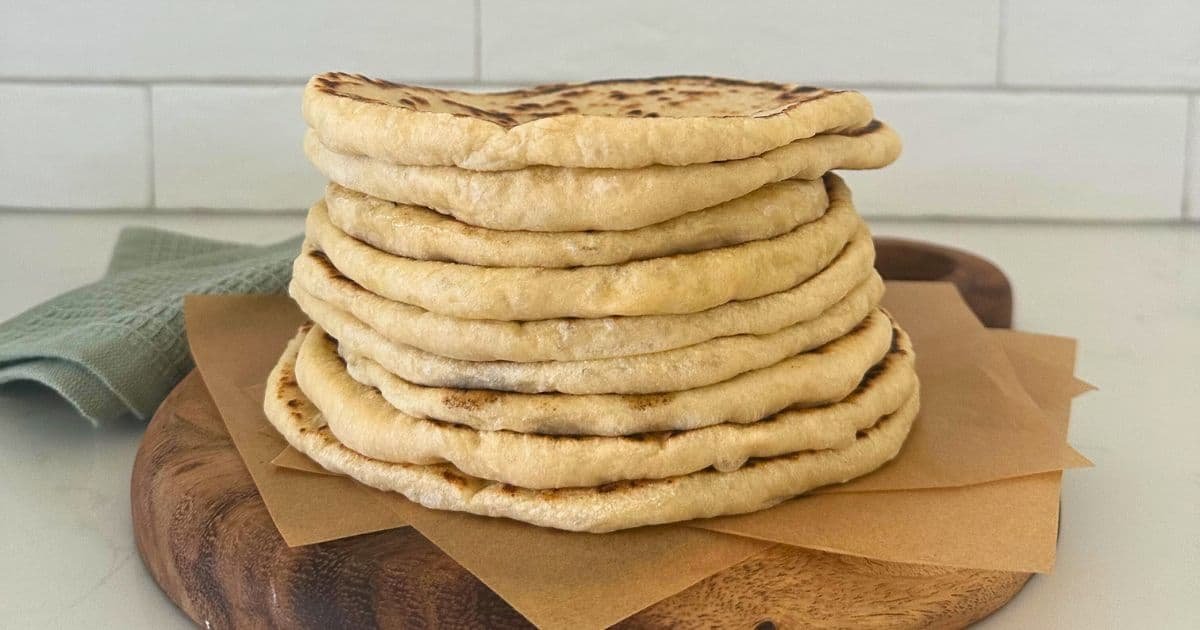
Making your own sourdough pita bread at home is one of the most rewarding baking projects you can ever try in your kitchen. This special recipe takes the old traditional flatbread that people have enjoyed for thousands of years and combines it with the natural magic of active sourdough starter. When you make this bread, you are not just mixing basic ingredients together, you are slowly creating a soft, fluffy, and delicious flatbread that naturally puffs up in your hot oven to form a perfect inner pocket. The natural fermentation process gives the dough a mild tangy flavor, a wonderful chewy texture, and an irresistible aroma that fills your entire house while it bakes. Whether you are completely new to the world of sourdough or you already have a bubbly starter sitting on your counter, this simple guide will walk you through every single step to achieve baking success without any stress or complicated baking equipment.
People absolutely love this sourdough pita recipe because it is far superior to any store bought flatbread you can purchase at your local grocery store. Most commercial pita breads sitting on supermarket shelves are often dry, pale, cardboard like, and full of artificial preservatives to keep them soft for weeks. Homemade sourdough pita bread, on the other hand, is completely fresh, incredibly soft, and packed with real natural flavor that only time and good yeast can create. Kids and adults alike get super excited watching through the oven glass door as the flat dough miraculously inflates into a giant round balloon within just a couple of minutes. That incredible puff creates a spacious interior pocket that stays open, making it extremely fun to stuff with all your favorite fresh savory fillings, grilled meats, crisp vegetables, or creamy spreads without the bread tearing apart.
You should make this wonderful sourdough flatbread whenever you want to bring extra joy, delicious flavor, and wholesome nutrition to your family dining table. It is perfect for relaxing weekend meal prep, fun interactive family lunch dates, or casual outdoor dinner parties where everyone can assemble their own customized sandwiches. From an emotional perspective, working with your hands to knead simple soft dough is a wonderful way to slow down, reduce daily stress, and enjoy a peaceful mindful activity in your home. From a health and fitness viewpoint, sourdough flatbread is much easier on your stomach than standard yeast bread because the long fermentation breaks down tough gluten proteins and phytic acid. This natural process makes all the healthy nutrients in the whole grains much easier for your body to digest and absorb, so you feel full, happy, and light after eating.
There is also a wonderful economic reason to make this delicious recipe at home because it uses cheap basic kitchen staples that you likely already have sitting in your pantry. By using flour, water, salt, a bit of olive oil, and your active starter, you can produce a large batch of fresh high quality flatbreads for just a fraction of the cost of store bought alternatives. You can easily double or triple the recipe to freeze extra baked pitas for busy weeknights when you do not have time to cook from scratch. Reheating a frozen homemade pita in a warm skillet brings back all its original softness, lovely chewy bite, and freshly baked fragrance instantly. Once you experience how easy, inexpensive, and tasty this natural process is, you will never want to buy plastic wrapped commercial flatbreads ever again.
Ingredients You Will Need
-
Active sourdough starter: 100 grams (bubbly and fed within 4 to 8 hours)
-
All purpose flour or bread flour: 400 grams (plus extra for dusting your work area)
-
Warm water: 230 grams (filtered water works best for sourdough)
-
Extra virgin olive oil: 20 grams (plus extra for lightly coating your bowl)
-
Fine sea salt or table salt: 8 grams
-
Honey or maple syrup: 10 grams (optional, helps with mild browning and flavor balance)
Step by Step Method
-
Prepare your mixing space and gather all your fresh ingredients so everything is measured accurately before you begin mixing.
-
In a large clean mixing bowl, pour in your warm water, active sourdough starter, extra virgin olive oil, and honey if you are using it.
-
Whisk these wet ingredients together thoroughly using a fork or a Danish dough whisk until the sourdough starter completely dissolves and the liquid looks milky and cloudy.
-
Add your all purpose flour and fine sea salt directly into the milky liquid mixture inside the bowl.
-
Stir everything together with a sturdy wooden spoon or your hands until a shaggy, dry dough forms and no raw white flour remains at the bottom of the bowl.
-
Cover the mixing bowl with a clean damp kitchen towel or plastic wrap and let the rough dough rest undisturbed for 30 minutes to absorb the water fully.
-
After the rest period, transfer the soft dough onto a clean, lightly floured kitchen surface and knead it gently for about 5 to 7 minutes until it becomes smooth, elastic, and slightly stretchy.
-
Shape the kneaded dough into a neat round ball and place it back inside a lightly oiled bowl, turning the ball once so the top is coated in oil.
-
Cover the bowl tightly with plastic wrap and allow the dough to rise at warm room temperature for about 4 to 6 hours, or until it expands in size by about 50 percent.
-
If you want maximum tangy flavor and better gut health benefits, place the covered bowl into your refrigerator overnight for a slow cold fermentation lasting anywhere from 8 to 24 hours.
-
When you are ready to bake, take the dough out of the refrigerator or off the counter and gently tip it out onto your lightly floured work table.
-
Use a sharp bench scraper or knife to divide the dough into 8 equal pieces, with each piece weighing around 90 grams.
-
Roll each piece of divided dough into a smooth, tight small round ball by cupping your palm over the dough and gently rolling it on the un-floured counter.
-
Cover the dough balls with your damp kitchen towel and let them rest quietly on the counter for 20 to 30 minutes so the inner gluten relaxes, which makes rolling much easier.
-
While the dough balls are resting, place a heavy baking steel, pizza stone, or heavy cast iron skillet on the middle rack of your oven and preheat it completely to 230 degrees Celsius or 450 degrees Fahrenheit for at least 45 minutes.
-
Take one rested dough ball at a time and use a floured rolling pin to roll it out evenly into a flat circle that is about 15 to 18 centimeters wide and roughly 5 millimeters thick.
-
Make sure to roll evenly from the center outward without poking sharp finger marks into the flat dough, as tiny punctures can stop the pita from puffing up during baking.
-
Carefully transfer one or two rolled dough circles directly onto the screaming hot preheated baking steel or cast iron skillet inside your hot oven.
-
Watch closely as the dough bakes for 2 to 3 minutes until it magically inflates like a big pillow and develops light golden spots on the bottom.
-
Flip the puffed pita over using long metal tongs and bake the second side for just 1 additional minute so it cooks through without drying out.
-
Remove the hot baked pita from the oven immediately and wrap it inside a clean, thick cotton kitchen towel to trap the rising steam.
-
Repeat the rolling and baking process for all remaining dough balls, stacking each finished flatbread inside the wrapped towel to keep them extremely soft and pliable.
Why This Recipe Is Special
This sourdough pita recipe stands out from basic bread recipes because it relies entirely on wild, natural fermentation rather than fast acting commercial packet yeast. The slow fermentation process breaks down complex starches into simple sugars that are much easier for your digestive system to process, making this flatbread a fantastic option for people who usually feel bloated after eating regular wheat products. Additionally, the long fermentation lowers the glycemic index of the bread, which helps prevent sharp spikes in your blood sugar levels after enjoying a satisfying meal.
From a culinary standpoint, the taste profile of this sourdough flatbread is vastly superior to standard baked goods. It hits the absolute perfect balance between a tender, chewy bite and a delicate, light interior texture that holds up well against juicy ingredients. The natural wild yeasts introduce a subtle, mouthwatering tang that pairs impeccably with savory spices, rich Mediterranean dips, roasted vegetables, and grilled proteins. It is also completely free from artificial conditioners, refined sugar additives, and chemical shelf preservatives, making it a pure, wholesome choice for your family.
Extra Tips for Better Taste
-
Use a preheated heavy cast iron skillet or baking stone because intense floor heat is the secret key that causes steam to build instantly inside the dough, creating that giant center pocket.
-
Do not roll the dough circles too thin or too thick; aiming for roughly 5 millimeters thickness ensures you get the ideal balance between a hollow pocket and soft internal crumb.
-
If your rolled dough keeps springing back while you try to shape it, cover it up and let the gluten rest for another 10 minutes before attempting to roll again.
-
Dust off excess dry flour from the dough before sliding it onto your hot baking surface to prevent burnt flour smells in your kitchen.
-
Keep your freshly baked hot pitas tightly wrapped together in a clean cloth towel immediately after removing them from the oven so the trapped steam softens the crust naturally.
-
For a gourmet flavor upgrade, brush the tops of the hot pitas with melted garlic butter and sprinkle fresh parsley or za’atar spices over them right after baking.
-
If you want to make flatbreads ahead of time, let them cool completely, store them in a sealed airtight bag, and pop them into a hot toaster or skillet for 30 seconds before serving.
Final Thoughts
Baking fresh sourdough pita bread at home is a simple, highly rewarding kitchen adventure that transforms basic pantry ingredients into nutritious culinary art. Once you pull your first tray of golden, steam filled flatbreads out of the oven and smell that incredible rich aroma, you will feel an amazing sense of pride in your cooking skills. Share these soft pockets with your loved ones filled with spicy falafel, savory roasted chicken, or rich creamy hummus, and enjoy every wholesome bite knowing you made it completely from scratch with love and patience.
Nutrition Details
| Nutrient Name | Value Per Serving (1 Pita) |
| Total Calories | 215 kcal |
| Carbohydrates | 41 grams |
| Dietary Fiber | 2 grams |
| Sugars | 1 gram |
| Protein | 6 grams |
| Total Fat | 3.5 grams |
| Saturated Fat | 0.5 grams |
| Sodium | 390 milligrams |
| Potassium | 75 milligrams |
Disclaimer
Everyone’s body, health conditions, and dietary needs are unique, meaning individual nutritional results and digestive reactions to sourdough flatbread may vary from person to person. While wild natural fermentation generally improves gluten digestibility for many individuals, this recipe still contains wheat gluten and is not suitable for people diagnosed with celiac disease. Always adjust recipes to match your own personal health requirements or consult a certified dietitian if you have specific dietary concerns.