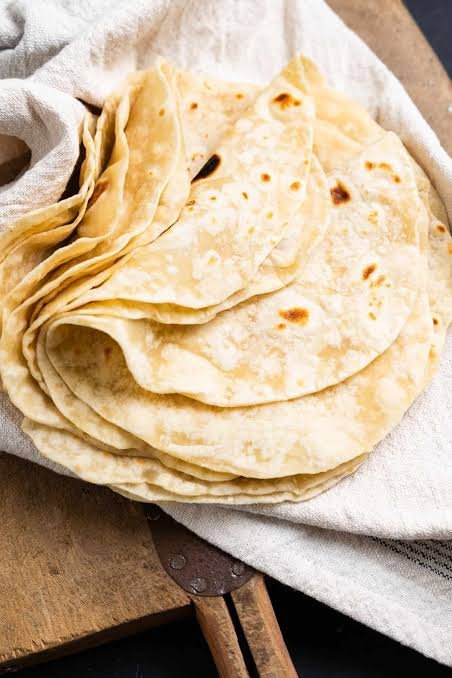
Making homemade sourdough tortillas at home is one of the most rewarding kitchen experiences you can have today. This recipe takes simple whole ingredients and turns them into soft, pliable, and delicious flatbreads that taste far better than anything you can buy at a store. When you make tortillas with sourdough discard or active starter, you add a subtle tangy flavor that lifts every single bite to a whole new level. Most people are familiar with store bought tortillas that feel gummy, dry, or full of unnecessary preservatives and artificial additives. By contrast, these homemade sourdough tortillas bring pure joy back to taco night with their tender texture, beautiful golden brown spots, and light puffiness right off the hot skillet. Learning this process allows you to master a traditional skill while taking control of what goes into your family body. You do not need any advanced baking skills or special tools to achieve fantastic results on your very first try.
People around the world love this recipe because it solves a common everyday problem for sourdough bakers. If you keep a regular starter in your kitchen, you know how much starter discard builds up every single week during the feeding routine. Instead of throwing that valuable flour and water mixture into the trash, you can transform it into something truly magnificent for lunch or dinner. The combination of fermented flour and fresh healthy fat creates a dough that rolls out like a dream without shrinking back on your counter. Families love how versatile these flatbreads are for making quick weekday wraps, warm morning breakfast burritos, cheesy quesadillas, or crispy homemade tortilla chips. Kids enjoy rolling the round shapes out on the kitchen island, making this a fun activity for the whole family on a quiet weekend. Once your family tastes warm tortillas fresh off the iron pan, they will never want to go back to processed packages from the grocery aisle again.
You can make this recipe whenever you want to bring warmth, comfort, and deep satisfaction into your home life. It is perfect for those cozy weekend evenings when you have a bit of extra time to spend in the kitchen with your loved ones. From a fitness perspective, these tortillas offer clean sustained energy from simple grain fermentation without any hydrogenated oils or mysterious chemical softeners. Sourdough fermentation breaks down hard to digest starches and proteins in the grain, which makes these wraps much easier on your stomach after eating a big meal. If you care about wholesome eating and gut health, swapping commercial flour tortillas for sourdough versions is a smart lifestyle upgrade. They also provide a comforting emotional boost on rainy days when the rich scent of cooking dough fills every corner of your house with inviting warmth. Serving a stack of steaming flatbreads wrapped in a clean cloth towel brings pure happiness to the dinner table every single time.
Whether you are preparing a large festive dinner for friends or prepping healthy lunches for the busy work week ahead, this recipe fits your schedule. You can mix the simple dough quickly in the morning and cook them right away, or let the dough rest in your refrigerator for deeper fermented flavor later in the week. The natural acidity of sourdough keeps the finished wraps soft and fresh for several days at room temperature without getting stale or growing mold too fast. Cooking them on a hot cast iron pan creates wonderful char marks that look and taste like authentic Mexican street food. Every single step in this guide is designed to build your confidence as a home cook, showing you that simple flour, water, salt, and fat can create magic. Taking control of your food choices starts with basic staples like bread, and this sourdough tortilla method is the easiest place to start your journey toward healthy home cooking.
Ingredients You Will Need
To create these wonderful flatbreads, you only need five basic kitchen staples. Make sure to measure everything carefully for the best dough consistency.
- 2 cups all purpose flour (plus extra for dusting your work space)
- 1 cup sourdough starter discard or active starter (at room temperature)
- 1 teaspoon fine sea salt or kosher salt
- 1/4 cup melted coconut oil, avocado oil, lard, or melted butter
- 1/2 cup warm water (you may need a tablespoon more if your dough feels dry)
Step by Step Method
Step 1: Preparing Your Dough Mixture Start by bringing your sourdough starter discard out of the refrigerator so it reaches room temperature. Take a large mixing bowl and add two cups of all purpose flour along with one teaspoon of fine salt. Whisk the dry ingredients together so the salt spreads evenly through the flour. Next, pour in one cup of sourdough starter and one quarter cup of your chosen liquid fat like melted butter or oil. Add half a cup of warm water directly into the bowl. Warm water helps loosen the fat and makes the flour absorb moisture quickly.
Step 2: Kneading to Smooth Perfection Stir everything together with a wooden spoon or sturdy spatula until a rough dough starts to form. When the mixture gets too thick to stir, clean your hands and reach into the bowl to bring the dough together into a ball. Move the dough out of the bowl and onto a clean surface. Knead the dough gently for about five to seven minutes. You do not need to work too hard here. You are simply looking for a smooth, soft ball that feels like warm play dough. If the dough feels sticky on your hands, dust a tiny pinch of flour on your board. If it feels too dry or crumbly, sprinkle a few drops of warm water over the dough and keep kneading until smooth.
Step 3: Resting the Dough Once your dough ball is smooth and elastic, shape it into a round ball and place it back inside your mixing bowl. Cover the bowl with a clean kitchen towel, bees wrap, or plastic wrap to stop the outer layer from drying out. Let the dough rest on your kitchen counter at room temperature for at least thirty minutes. Resting is essential because it allows the flour to absorb all liquid completely and lets the gluten strands relax. Relaxed gluten makes rolling out thin circles effortless later on. If you want a richer sourdough flavor, you can leave this bowl in your refrigerator for up to twenty four hours before moving on to the next step.
Step 4: Dividing the Dough After the rest period, place your dough onto your work surface. You do not need much flour for this step because the dough should contain enough rich fat to prevent sticking. Use a bench scraper or sharp knife to divide the dough evenly into eight equal pieces for large burrito size tortillas, or twelve equal pieces for smaller taco size tortillas. Roll each piece between your palms to form smooth round balls. Arrange the dough balls on your board and cover them again with your kitchen towel for ten minutes so they relax once more before rolling.
Step 5: Rolling Thin Circles Take one dough ball while keeping the rest covered so they stay soft. Lightly dust your rolling pin and work area with a small pinch of flour. Flatten the dough ball slightly with your palm, then roll outward from the center into a thin circle. Rotate the dough a quarter turn after every few rolls to keep the round shape even. Keep rolling until your dough circle is very thin, almost thin enough to see light through it. Do not worry if your first few attempts are not perfect circles. Rustic shapes taste just as delicious as perfect circles.
Step 6: Heating Your Pan Set a heavy cast iron skillet, griddle, or heavy bottomed pan over medium high heat on your stove. Let the pan get hot for three to five minutes before cooking. A hot pan is the key secret to getting soft wraps with beautiful light brown spots instead of hard, dry crackers. Do not add any oil or butter to the hot pan surface. The fat already present inside your dough will prevent any sticking.
Step 7: Cooking the Flatbreads Carefully lay your rolled dough circle onto the dry hot skillet. Let it cook for about forty five seconds to one minute. You should see small air bubbles rising across the top surface almost immediately. Flip the tortilla over using tongs or a spatula once the bottom shows nice golden brown blister marks. Cook the second side for another thirty to forty seconds. Do not overcook your tortillas or they will lose their soft texture and become brittle.
Step 8: Keeping Them Soft Transfer the cooked tortilla immediately into a dedicated tortilla warmer or wrap it tightly inside a clean, thick cotton kitchen towel. The steam trapped inside the cloth towel softens the outer crust and keeps every tortilla flexible and warm while you finish cooking the remaining dough balls. Repeat the rolling and cooking process for all remaining pieces of dough, stacking them on top of each other inside the towel as they come off the heat.
Why This Recipe Is Special
This sourdough tortilla recipe stands out from ordinary quick breads for several wonderful reasons. The main benefit comes from the natural sourdough fermentation process. When flour mixes with wild yeast and lactic acid bacteria over time, the complex proteins and natural sugars in the grain begin to break down. This pre digestion process makes sourdough much gentler on your digestive system compared to commercial baked goods made with rapid rising chemical agents. People who often feel bloated after eating standard white flour products frequently find they can enjoy sourdough flatbreads comfortably.
Another fantastic point is the short, clean list of simple ingredients. Store bought wraps usually contain long lists of artificial preservatives, conditioners, emulsifiers, and hydrogenated oils designed to extend shelf life for months on store racks. Making your own at home guarantees that you know every single item going into your body. You get pure grain energy, healthy natural fats, and pure sea salt without any artificial additives or hidden sugars.
Finally, the taste and texture are vastly superior to any packaged product. The natural lactic acid produced by sourdough cultures gives the flatbread a rich, complex flavor profile with a delightful hint of tanginess. Combined with the tender texture provided by proper resting and fast pan cooking, these wraps offer a soft chew that holds heavy fillings without tearing apart. They bring restaurant quality taste straight into your home kitchen with minimal expense and effort.
Extra Tips for Better Taste
To take your homemade flatbreads to an even higher level, try these simple creative ideas in your kitchen:
- Add garlic herb flavor by sprinkling half a teaspoon of garlic powder, dried oregano, or onion powder into your dry flour before adding liquids.
- Swap plain water for warm bone broth or chicken stock to infuse extra rich flavor and helpful nutrients directly into your dough.
- Use high quality lard or grass fed beef tallow instead of vegetable oil for an authentic, traditional taste and incredible softness.
- Mix in two tablespoons of finely chopped fresh cilantro or green onions during the kneading stage for vibrant color and fresh herbal aroma.
- Add a quarter teaspoon of smoked paprika or chili powder into your flour mix for a subtle warm color and smoky background note.
- Brush finished warm tortillas with a tiny touch of melted garlic butter as soon as they come off the hot skillet for maximum richness.
Final Thoughts
Making your own sourdough tortillas is a rewarding cooking project that turns basic pantry ingredients into nutritious, mouthwatering food for your entire family. Once you master the simple steps of mixing, resting, rolling, and quick skillet cooking, you will love how effortless it is to incorporate this craft into your weekly meal planning routine. It allows you to reduce kitchen waste by using up your extra starter discard while feeding your loved ones clean, wholesome food. Wrap up your favorite taco fillings, build morning breakfast burritos, or simply enjoy a warm plain tortilla straight from the towel with a light spread of fresh butter. Enjoy every step of the process and happy baking.
Nutrition Details
Here is the estimated nutritional breakdown for this recipe, assuming you divide the dough into eight generous serving pieces.
| Nutrient | Amount Per Serving (1 Tortilla) | Total Recipe (8 Servings) |
| Calories | 185 kcal | 1,480 kcal |
| Total Carbohydrates | 28 g | 224 g |
| Dietary Fiber | 1 g | 8 g |
| Total Sugars | 0.5 g | 4 g |
| Protein | 4 g | 32 g |
| Total Fat | 7 g | 56 g |
| Saturated Fat | 5 g (if using butter) | 40 g |
| Sodium | 290 mg | 2,320 mg |
| Iron | 1.5 mg | 12 mg |
Disclaimer
This article is meant for informational and educational purposes only and should not be taken as professional medical or nutritional advice. Everyone’s body is unique, and individual dietary needs, digestive responses, and health outcomes can vary based on personal health status. If you have specific dietary restrictions, gluten sensitivities, or medical conditions, please consult with a qualified doctor or certified nutritionist before changing your diet or trying new fermented foods.