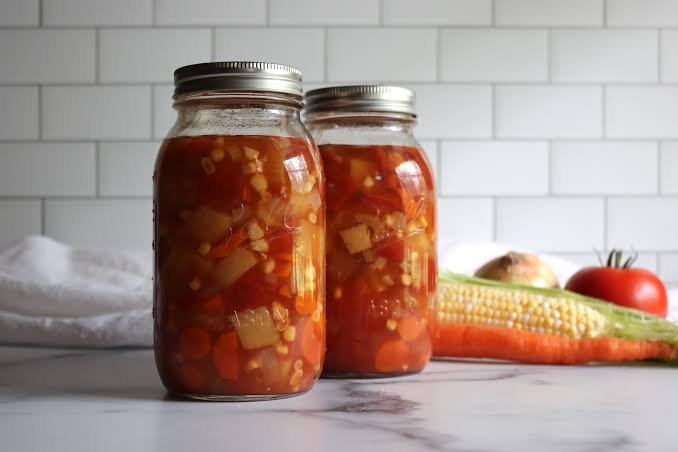
Canning vegetable soup is one of the most rewarding and useful kitchen projects you can ever start in your home. This recipe brings together a rich variety of fresh vegetables, warm spices, and a light hearty broth that fills your entire kitchen with an irresistible home cooked aroma. When you preserve your own food in glass jars, you are taking complete control over what goes into your body, leaving out all the unwanted sodium, artificial chemical additives, and mysterious industrial preservatives that are almost always hiding inside commercial store bought cans. Every single jar you fill contains real, honest ingredients that retain their natural flavors, comforting textures, and wholesome goodness. It is a classic standard soup recipe that brings tremendous peace of mind, knowing you have healthy meals completely ready to heat and enjoy at any moment.
People love this home canning recipe because it turns busy weeknights into stress free dining experiences for the entire family. Instead of spending an hour chopping vegetables and standing over a hot stove after a long exhausting day at work, all you have to do is pop open a sealed jar, pour the contents into a pot, and warm it up for a few minutes. Beyond the sheer convenience, people adore the cozy homemade taste that simple mass produced food can never match. Children and adults alike enjoy the comforting blend of sweet carrots, tender potatoes, rich tomatoes, and fragrant green herbs soaking together in harmony. It brings back fond memories of traditional grandmother style cooking, where food was made with patient love, high quality fresh produce, and real nutritional care.
You can prepare and process this vibrant soup whenever you find an abundance of inexpensive local vegetables at your neighborhood farmer market or when your own garden yields more produce than you can possibly eat fresh. It is also an emotional comfort food that warms your body and lifts your spirit during freezing winter evenings, stormy rain days, or times when someone in your home feels a bit under the weather. Fitness enthusiasts, health conscious individuals, and busy parents love this recipe because it provides an immediate source of clean plant nutrition, essential vitamins, and dietary fiber without any unwanted heavy oils or excess sodium. Having rows of colorful homemade soup sitting neatly on your pantry shelf builds a warm sense of security, self sufficiency, and culinary pride that makes your home feel extra welcoming.
Preserving your own batch of delicious vegetable soup is also an exceptional way to stretch your food budget and reduce daily kitchen waste. Instead of letting extra vegetables sit in the refrigerator drawer until they spoil, you can turn them into a high quality meal that stays fresh on your pantry shelves for up to a full year. Taking time on a quiet weekend morning to slice, simmer, and process your produce creates a deeply satisfying routine that connects you back to the roots of traditional home cooking. It feels wonderful to look at a clean row of gleaming glass jars lined up in your kitchen, knowing that you made every single drop yourself with clean water, pure sea salt, garden herbs, and hand selected produce.
Ingredients You Will Need
Eight cups of low sodium vegetable stock or fresh water
Four cups of diced ripe red tomatoes with their juices
Three cups of peeled and chopped russet or yellow potatoes
Two cups of sliced sweet orange carrots
Two cups of fresh green beans trimmed and cut into small pieces
Two cups of sweet yellow corn kernels fresh or frozen
Two cups of green peas fresh or frozen
One and a half cups of chopped yellow onions
One cup of diced green bell peppers
One cup of chopped celery with leaves included
Four cloves of fresh garlic finely minced
Two tablespoons of olive oil for gentle sautéing
Two teaspoons of fine sea salt
One teaspoon of freshly ground black pepper
One teaspoon of dried Italian seasoning blend
One teaspoon of dried thyme leaves
Two whole bay leaves for rich simmering flavor
Step by Step Method
-
Prepare your workspace by gathering all your clean vegetables, cutting boards, sharp knives, large stockpot, pressure canner, and canning supplies so everything is within easy reach.
-
Wash all the fresh vegetables thoroughly under cold running water to remove any garden dirt or debris before you begin peeling and chopping them.
-
Peel the potatoes and carrots carefully, then cut them into neat, even, bite sized pieces so they cook evenly throughout the process.
-
Chop your yellow onions, green bell peppers, and celery stalks into small uniform pieces, and finely mince your fresh garlic cloves.
-
Place a very large heavy bottomed stockpot on your stove over medium heat and pour in the two tablespoons of clear olive oil.
-
Add the chopped onions, green bell peppers, and celery into the pot and sauté them gently for about five minutes until they become soft and translucent.
-
Stir in the minced garlic and cook for just one more minute until the wonderful aromatic scent fills your kitchen, being careful not to let the garlic burn.
-
Pour in the eight cups of low sodium vegetable stock or fresh water, then add the diced red tomatoes along with all their sweet juices.
-
Add the chopped potatoes, sliced carrots, green beans, sweet corn kernels, and green peas into the stockpot with the liquid mixture.
-
Season the pot with two teaspoons of fine sea salt, one teaspoon of black pepper, one teaspoon of dried Italian seasoning, one teaspoon of dried thyme, and the two bay leaves.
-
Bring the entire pot to a rolling boil over medium high heat while stirring gently to combine all the ingredients and seasonings evenly.
-
Once it boils, reduce your stove heat to low, cover the pot loosely, and let the soup simmer for exactly ten minutes so the flavors begin to meld together.
-
Remember that you do not want to cook the vegetables completely soft at this point, because they will continue cooking thoroughly inside the pressure canner later.
-
While the soup simmers, prepare your glass canning jars by washing them in hot soapy water, rinsing them completely, and keeping them warm so they do not break when filled.
-
Remove the two whole bay leaves from the simmering soup pot using a spoon and discard them before filling your jars.
-
Ladle the hot soup carefully into your prepared warm glass jars, ensuring an equal mixture of rich broth and solid vegetables in every single jar.
-
Leave exactly one inch of space between the top of the soup and the very top rim of each jar, which is known as headspace in home canning.
-
Wipe the top rim of each filled glass jar thoroughly with a clean damp paper towel to ensure no oil or food residue interferes with the rubber seal.
-
Place a warm canning lid on top of each jar, then screw on a metal ring band until it is finger tip tight, taking care not to overtighten it.
-
Set up your pressure canner on the stove with two to three inches of hot water inside according to the exact instructions of your specific canner manufacturer.
-
Carefully place your filled soup jars upright into the pressure canner using a sturdy jar lifter tool to keep your hands safe from heat.
-
Lock the pressure canner lid securely in position, leave the vent pipe open, and turn the stove burner on high heat until steam vents out steadily.
-
Let steam vent freely from the pipe for ten full minutes to clear all trapped air out of the vessel before putting on your pressure regulator weight.
-
Place the weight on the vent pipe and bring the canner up to ten pounds of pressure, adjusting the level higher if you live at an elevation above one thousand feet.
-
Process your pint jars for seventy five minutes or your quart jars for ninety minutes while adjusting the stove burner carefully to maintain steady pressure throughout.
-
Turn off the heat completely after your processing time finishes, and let the pressure canner cool down and depressurize naturally on its own without forced cooling.
-
Once the pressure returns completely to zero, carefully remove the lid, tilt it away from your face to avoid hot steam, and let the jars sit inside for five minutes.
-
Lift the hot jars straight up using your jar lifter and place them gently onto a thick bath towel laid out flat on your kitchen counter.
-
Leave the jars completely undisturbed for twenty four full hours while they cool down and complete their natural vacuum sealing process.
-
Listen for the satisfying popping sound of the metal lids pulling down tight, which signals that your delicious jars of vegetable soup are officially sealed and safe for long term storage.
Why This Recipe Is Special
This homemade canning vegetable soup stands out from typical recipes because it balances high nutrient density with unmatched home kitchen simplicity. Unlike factory canned soups that rely on high levels of sodium, artificial flavor enhancers, and heavy saturated fats to stay stable, this recipe uses pure fresh garden vegetables, warm natural herbs, and a light heart healthy stock. It provides your body with a massive dose of essential dietary fiber, protective antioxidants, key mineral nutrients, and crucial plant vitamins like Vitamin A and Vitamin C. Fiber supports smooth natural digestion, maintains stable energy levels throughout your afternoon, and keeps you feeling fully satisfied without adding unnecessary excess calories to your daily diet.
The taste profile of this recipe is remarkably rich, clean, and refreshing because every component cooks inside its own jar, locking all the natural juices directly into the broth. The gentle sweetness of sliced carrots and corn balances the mild tang of diced tomatoes and aromatic garlic. The green beans, peas, and potatoes absorb the savory Italian herbs and thyme, creating a comforting texture and complex flavor depth in every single spoonful. Because you control the salt levels, the true natural flavors of the vegetables shine brightly rather than getting hidden under a wall of harsh saltiness. It is a warm, pure, home style soup that satisfies your cravings for real food while supporting your long term wellness goals naturally.
Extra Tips for Better Taste
To take this vegetable soup recipe to an even higher culinary level, consider adding a dash of fresh lemon juice or a small splash of high quality apple cider vinegar right before you serve it hot in bowls. That subtle touch of acidity wakes up all the savory garden flavors instantly. You can also roast your onions, carrots, and bell peppers in a hot oven until they develop slight brown edges before adding them to the main stockpot, which imparts a wonderful deep smoky background note to the entire broth.
For those who love extra savory depth, stirring in a small spoon of tomato paste or a small pinch of nutritional yeast during the initial boiling stage creates a rich umami foundation. If you enjoy a slight hint of heat, feel free to add a tiny sprinkle of red pepper flakes or a pinch of ground cayenne pepper to the soup stock. Always ensure your dried herbs are fresh and aromatic rather than old pantry leftovers, as fresh spices release much better essential oils into the broth during the long pressure canning process.
Final Thoughts
Taking the time to make your own canned vegetable soup is one of the most fulfilling investments you can make for your kitchen, your budget, and your family health. Every jar sitting on your pantry shelf represents a quick, wholesome, hand crafted meal that you can feel completely proud to serve at a moment notice. As you open your jars throughout the cooler months, you will enjoy the wonderful rewards of your careful work, tasting the bright freshness of garden produce even in the middle of winter. Grab your stockpot, gather your fresh vegetables, and enjoy every single moment of creating this timeless, nourishing classic right in your own warm home.
Nutrition Details
Below is an estimated nutritional breakdown for one single serving cup of this delicious home canned vegetable soup. Keep in mind that exact nutrition values can shift slightly depending on the specific vegetable varieties, brand of stock, or natural sugar levels in your ingredients.
| Nutritional Component | Amount Per Serving |
| Serving Size | One Cup |
| Total Calories | Ninety Five Calories |
| Protein | Three Grams |
| Total Fat | Two Grams |
| Saturated Fat | Zero Point Three Grams |
| Carbohydrates | Eighteen Grams |
| Dietary Fiber | Four Grams |
| Sugars | Five Grams |
| Sodium | Three Hundred Twenty Milligrams |
| Potassium | Four Hundred Fifty Milligrams |
| Vitamin A | One Hundred Twenty Percent Daily Value |
| Vitamin C | Thirty Five Percent Daily Value |
| Calcium | Four Percent Daily Value |
| Iron | Eight Percent Daily Value |
Disclaimer
Everyone’s body, health conditions, dietary needs, and nutritional responses are uniquely different, meaning individual results from eating specific foods may change from person to person. The nutritional values provided in this article are general estimates meant for standard educational and informational purposes only. If you have specific medical conditions, food allergies, dietary restrictions, or personalized health goals, please consult with a qualified doctor or registered dietitian before making significant changes to your daily meal plan. Always follow strict, safe home canning guidelines and equipment instructions to ensure proper food safety and sanitation in your kitchen.